
Living in Altea
Altea, Benidorm, Calpe or Jávea: where to buy
Four towns on the same stretch of Costa Blanca coast, four different buyers. Character, prices and daily life compared, so you choose the town before the house.
31 August 2026 · 6 min · Azur Invest · updated 15/09/2026
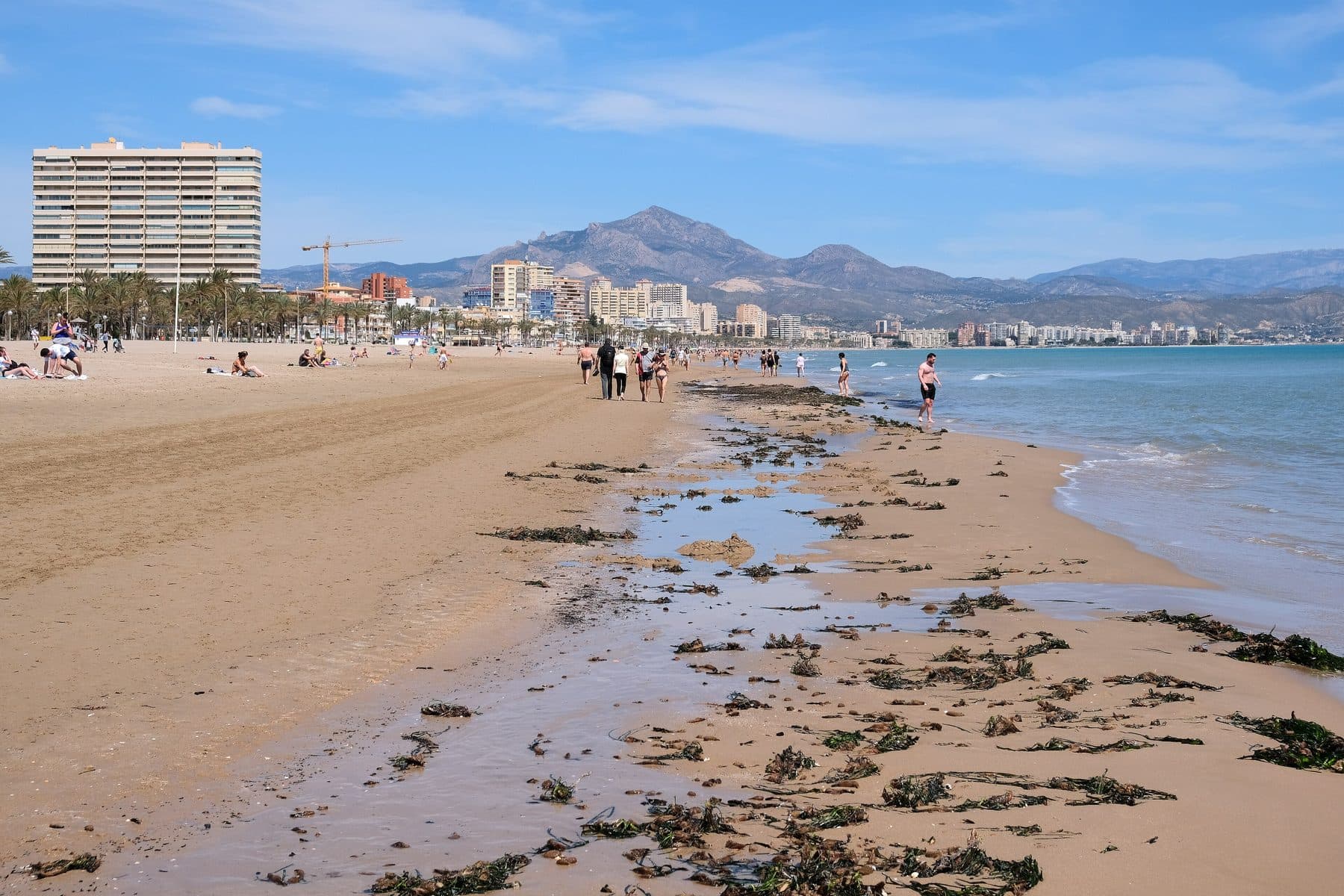
Photo: kallerna · CC BY-SA 4.0
Four towns share this stretch of the northern Costa Blanca, and they could hardly be less alike. Choosing between them is a bigger decision than choosing between two houses, because the town sets the daily life and the house only sets the walls.
The four at a glance
| Town | Suits a buyer who | Character |
|---|---|---|
| Altea | Wants a historic centre with character, a stable international community and a slow pace | Mediterranean village, protected bay, active cultural life |
| Benidorm | Wants everything open all year and full urban services | The densest urban model on this coast, high rise, year round |
| Calpe | Wants a sea view at the most accessible price | The Peñón de Ifach, a working town, plenty of apartment stock |
| Jávea | Wants to live here permanently with international schools nearby | Spread out, affluent, three distinct centres |
Availability and prices change. Check the current catalogue and compare equivalent homes; asking prices are not municipal statistics of completed sales.
Altea: a historic centre, a protected bay and an unhurried pace
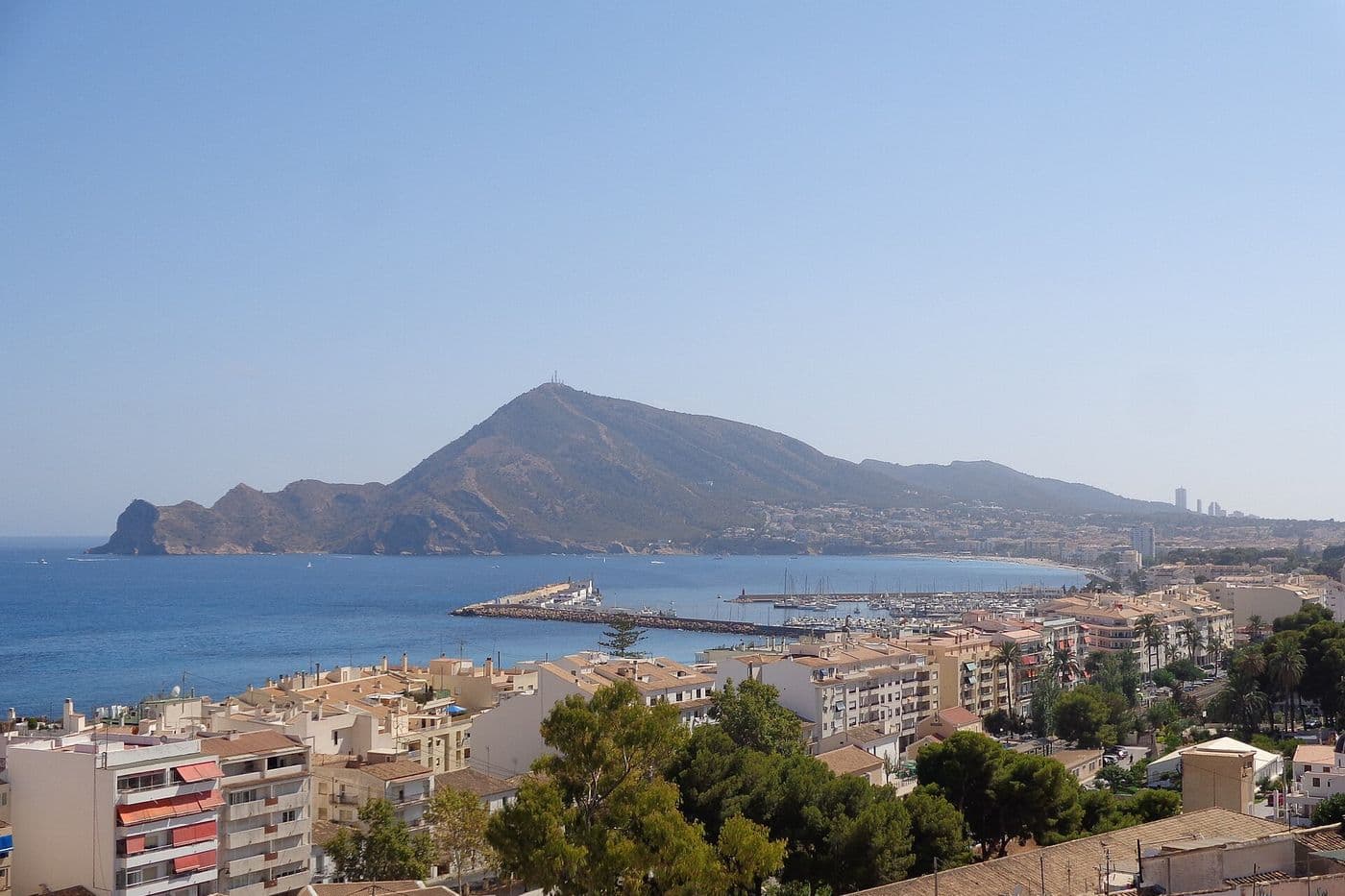
Altea is the one town of the four with a genuine hillside old town: white streets, the blue tiled dome, a mirador over the bay. The bay itself is protected, which makes the water calmer than the open coast either side.
Availability and prices change. Check the current catalogue and compare equivalent homes; asking prices are not municipal statistics of completed sales.
What Altea is not is convenient. The old town has stairs and no garages, the beaches are pebble rather than sand, and in January a good share of the restaurants close. Those are real trade offs, not marketing softeners.
Benidorm: the densest model, and the one that never closes
Benidorm is the opposite proposition, and it is fair to say most buyers arrive with a prejudice about it. The prejudice misses something: Benidorm works in winter in a way none of the others do. Supermarkets, doctors, gyms, restaurants and buses run in January exactly as they do in August.
For a retired buyer who will be here twelve months a year, that matters more than a postcard. What you give up is character and quiet, and you accept high rise living and a town built for volume.
Calpe: the Peñón, and the best value for a view
Calpe is dominated by the Peñón de Ifach, a 332 metre rock rising straight out of the sea and a natural park since 1987. The town around it is a working town with a lot of apartment stock, which keeps prices more accessible than Altea or Jávea for an equivalent sea view.
That value comes with a caveat. Calpe is heavily seasonal, with a large share of properties empty outside summer, so parts of the town feel deserted in winter in a way that Altea's old town does not.
Jávea: the year round international buyer
Jávea, or Xàbia, draws the wealthiest buyer of the four and the one most likely to live here permanently. It is spread across three centres, the old town, the port and the Arenal, which means life there is more car dependent than the layout suggests.
The established international schools and a large permanent foreign community make it the strongest option for a family relocating with school age children. It is also the most expensive of the four, by some distance.
Choosing between them
Three questions settle most of it.
Will you be here in January? If yes, Benidorm and Jávea have the services. Altea works too but the old town quietens considerably. If you come for summers, that question stops mattering and character wins.
Do you want to walk or to drive? Altea's old town and Benidorm's centre are walkable. Jávea and much of Calpe are not, whatever the map suggests.
What is the property for? For holiday letting, the old town of Altea and the Calpe seafront hold the strongest demand. For a permanent family home, the school belt around Alfaz del Pi and La Nucía, reachable from Altea in ten to twenty minutes, tends to decide it. Our Spanish guide to schools in and around Altea covers that in detail.
Getting around, and getting out
One practical point rarely covered in comparisons: how you leave.
Alicante Elche airport is roughly 65 kilometres from Altea, about 45 to 60 minutes by the AP-7. Calpe and Jávea are further, and Jávea in particular adds a slow final stretch. Benidorm is the closest of the four and by some margin the best connected.
The TRAM line 9 runs Benidorm to Dénia along this coast, with a stop in Altea about 100 metres from the beach and a roughly hourly service that reaches Benidorm in around fifteen minutes. That matters more than it sounds: it means you can live in Altea without a car for daily life, use Benidorm for the things Altea does not have, and keep the car for the airport run.
Calpe and Jávea are far more car dependent. If you are buying with an eye to a future where driving is less appealing, that is worth weighing now rather than in fifteen years.
Healthcare and services
All four sit within the same regional health system. Altea has a local health centre and the reference hospital for the area is the Hospital Marina Baixa in Villajoyosa, about twenty minutes away. Benidorm has the widest range of private clinics and specialists, and a large share of the international medical practice on this coast.
If you or a family member need regular specialist care, that concentration in Benidorm is a genuine argument, and it is the reason a fair number of buyers who love Altea end up choosing Albir or Alfaz del Pi instead: close enough to reach Altea in ten minutes, closer still to the services.
Our honest position
We sell in Altea, so treat this with the scepticism it deserves. What we will say is that the buyers who are happiest here are the ones who came knowing what they were giving up: sand, convenience and a lively January. The ones who struggle are the ones who bought an August impression and met February.
Spend a few days here off season before deciding. It is the cheapest due diligence available, and it settles the question better than any comparison table.
Read what year round life is actually like in our guide to living in Altea, browse the properties for sale in Altea, or talk to our team.
From our portfolio
A property for sale in Altea right now
See the whole Altea portfolio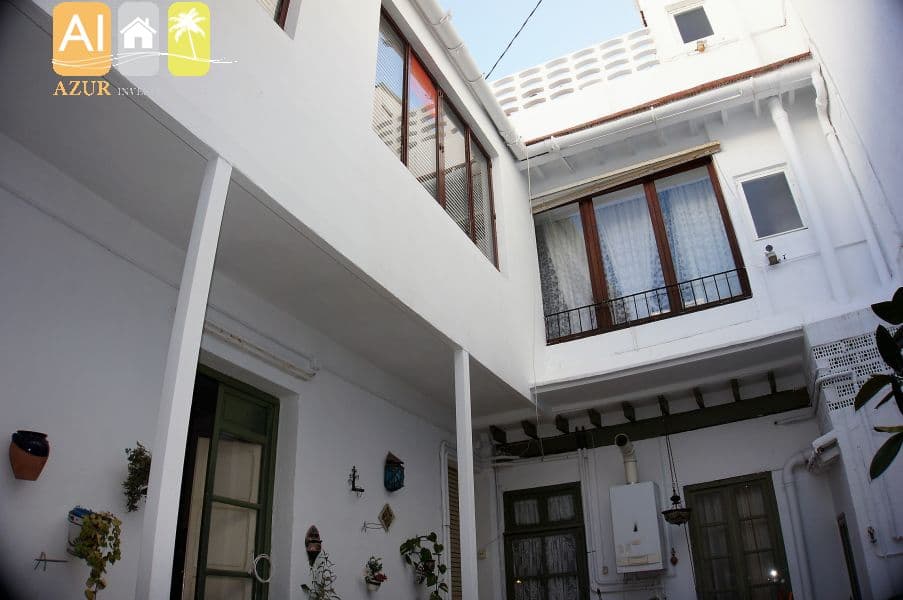
Frequently asked questions
- Which of the four is quietest?
- Altea, by a clear margin. A protected bay, a hillside old town and no high rise. Benidorm sits at the other end of the scale.
- Which is cheapest?
- Calpe generally offers the most accessible price per square metre for an apartment with a view, ahead of Altea and well ahead of Jávea.
- Which works best all year round?
- Benidorm, because its size keeps shops, restaurants and healthcare open in January. Jávea comes second thanks to a large permanent international community.
- Where are the international schools?
- Mostly in the belt around Alfaz del Pi, La Nucía and Jávea. From Altea most of them are a ten to twenty minute drive.