
Buying
Buying a House in Altea as a Foreigner: 2026 Step-by-Step Guide
How to buy a house in Altea from abroad: NIE, Spanish bank account, viewings, deposit contract, notary and taxes, with a realistic timeline.
31 August 2026 · 9 min · Azur Invest · updated 15/09/2026
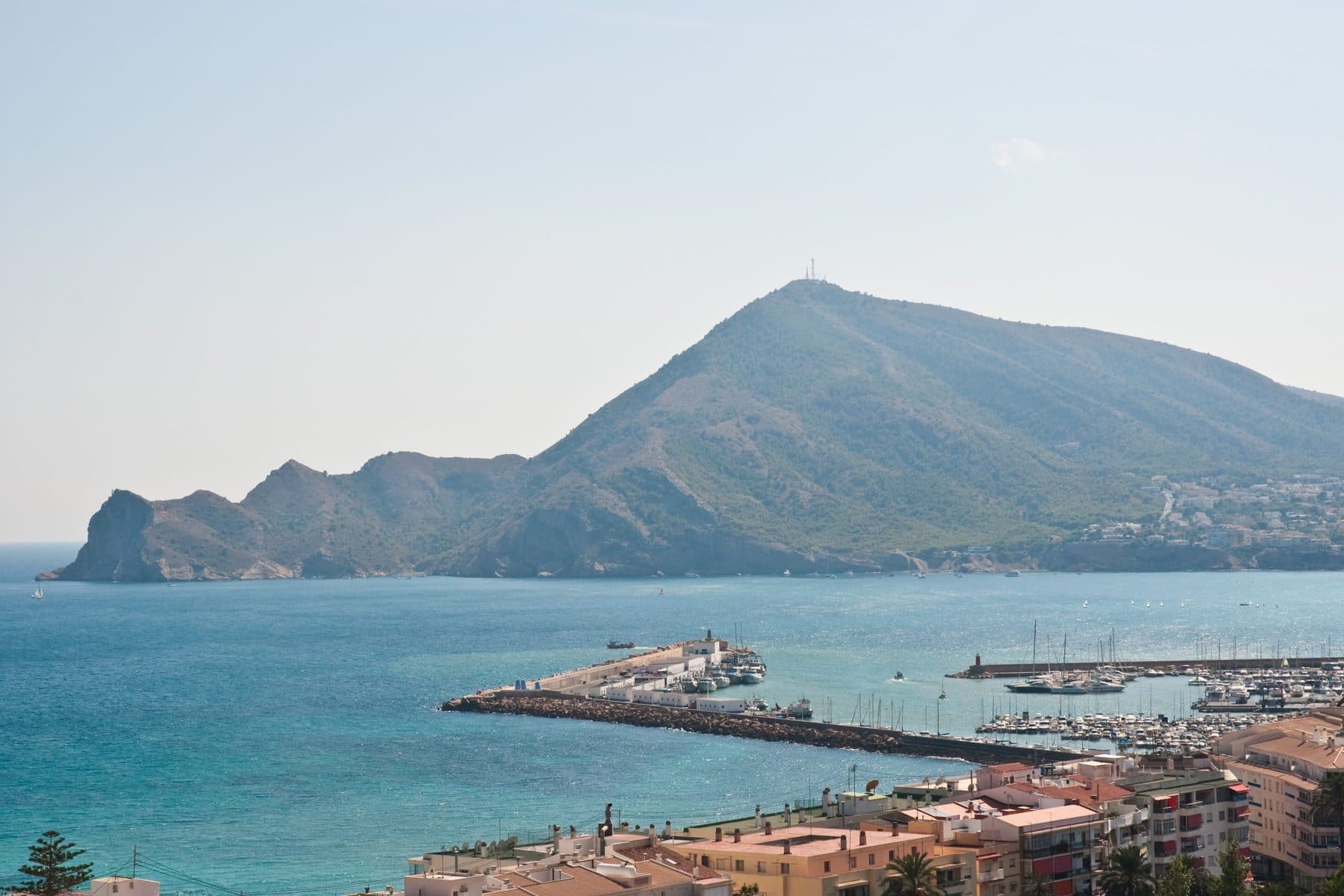
Photo: Phillip Capper · CC BY 2.0
Buying a house in Altea as a foreigner follows the same legal process as for a Spanish national, with two extra steps at the start: arranging tax identification and payment methods. Everything after that (viewings, offer, deposit, notary) is identical. This guide walks through the full process in order, with who does what and how long each step takes.
Altea has welcomed British, Belgian, Dutch, and Scandinavian buyers for decades, and the process is well established locally: agencies used to working across several languages, notaries experienced with deeds for foreign buyers, and banks with dedicated desks for non-residents. That doesn't remove the paperwork, but it does reduce the surprises if you follow the steps in the right order.
Documents worth preparing before you start
Before booking a flight to view properties, gather these: a valid passport, proof of income for recent months (payslips, or tax returns if you're self-employed), and a clear sense of your total budget, not just the property price. If you're financing, add your recent tax returns and bank statements.
Having these ready from day one shortens the NIE step and, if you apply for a mortgage, gets the bank's assessment moving weeks earlier. The most common scheduling mistake is starting the property search before this paperwork is in place.
The full timeline, start to finish
| Step | Who handles it | Typical duration |
|---|---|---|
| 1. NIE number | You, at a consulate or police station, or a gestor with power of attorney | 2 to 4 weeks |
| 2. Spanish bank account | You, in person or online depending on the bank | 1 to 2 weeks |
| 3. Search and viewings | You and your estate agent | 2 weeks to several months |
| 4. Land registry check | Your lawyer or gestor, at the Property Registry | 2 to 5 days |
| 5. Offer and reservation | You, through the agency | 1 to 3 days |
| 6. Deposit contract (arras) | You and the seller, reviewed by your lawyer | 1 to 2 weeks after reservation |
| 7. Mortgage, if financing | You and the bank | 4 to 8 weeks, run in parallel |
| 8. Signing at the notary | You (or your representative) and the seller | Set by mutual agreement |
| 9. Taxes and registration | Your gestoría | One month for ITP/AJD; registration after tax filing |
| 10. Utilities transfer | You or your gestoría | 1 to 3 weeks |
Step 1: get your NIE before you start viewing
Your NIE identifies you for Spanish tax and administrative formalities. Arrange it early through the competent police office or consulate, personally or through an accepted representative. It is not a residence permit.
Read our NIE guide and confirm with your bank and notary which documents and validity periods they require.
Step 2: open a Spanish bank account
Agree payment methods and source-of-funds evidence with your bank and notary. A Spanish account can make payments and direct debits easier, but is not a universal legal requirement for buying. Some banks accept a passport for non-resident accounts, subject to their checks. If you need a mortgage, review any account and product requirements in the offer.
Step 3: view properties with an agent who knows the area
Altea has very distinct neighbourhoods: the Old Town, Altea Hills, Altea Pueblo, El Tossal, and the second-line urbanisations near the coast. Price and buyer profile vary a lot between them.
A good local agent saves you wasted viewings and flags what photos don't show: orientation, noise, real community fees. Browse villas in Altea Hills or houses in the Old Town depending on what you're after.
If your goal is a permanent home, a seasonal base, or a property you'll rent out as a holiday let when you're not using it, say so from the first viewing. It changes which type of property and which area suit you best: an apartment near the centre for holiday rentals is a different brief from a secluded villa for personal use. If holiday letting is part of the plan, see how we manage that through Azur Invest.
Step 4: make an offer and sign the reservation
Once you find the property, the offer usually goes through the agency in writing. If the seller accepts, you sign a reservation contract and pay a holding deposit, typically between 3,000 EUR and 6,000 EUR, which is later deducted from the final price.
The reservation takes the property off the market while the deposit contract is drafted.
Step 5: the deposit contract (arras) binds both parties
The deposit agreement fixes the price, timetable and conditions. The amount is negotiated; there is no single statutory percentage. Not every arras contract allows withdrawal by forfeiting the deposit or refunding double: the result depends on the agreed legal form and circumstances.
Complete registry, planning and financing checks before paying a reservation or signing arras. If you need a mortgage, agree what happens if finance is refused. Have an independent lawyer review the contract.
Step 6: check the land registry extract for charges
Before signing anything final, verify at the Property Registry that the home is free of mortgages, embargoes, or undisclosed easements. This document is called a nota simple.
It's also worth confirming that the local property tax (IBI) is paid up to date, there are no outstanding community fees, and the property has a valid habitation certificate or first occupation licence. We go into detail in what to check beyond the nota simple (in Spanish).
Step 7: apply for a mortgage if you're not buying in cash
As a non-resident, typical financing covers 60% to 70% of the appraised value, compared to around 80% often offered to residents. The exact percentage depends on the bank and your profile.
Start this in parallel with the land registry check, since banks require a valuation and paperwork that takes several weeks. Full detail in mortgages for non-residents in Spain.
Step 8: sign at the notary
On signing day, buyer and seller (or their representatives) attend the notary with the balance of the price, usually via a certified bank cheque or transfer. The notary reads the deed, answers questions, and both parties sign.
If you can't travel, your representative signs on your behalf under the power of attorney you granted earlier.
Buying in cash versus financing: how the timeline changes
If you're paying in cash, step 7 disappears and the timeline shortens: you can sign at the notary a few weeks after the deposit contract, as soon as the land registry check is cleared. If you're financing, the signing date depends on mortgage approval, so it's worth building some margin into the deposit contract rather than fixing a tight date.
Some sellers actually prefer cash buyers for that certainty on timing. It's not a requirement to buy, but it can give you some room to negotiate on price or on the date.
Step 9: pay the taxes and register the property
After signing, the general ITP or AJD filing deadline in the Valencian Community is one month from the taxable act or contract. VAT on a new build is paid to the seller with the purchase payments. Registration follows tax filing.
Total buying costs (taxes, notary, registry, gestoría) typically run 10% to 12% of the price. Full breakdown with worked examples in taxes and costs of buying property in the Valencian Community.
Step 10: transfer utilities into your name
Water, electricity, and gas where applicable. Your gestoría can handle this once the deed is registered. Expect one to three weeks for the utility companies to update the account.
What happens in the first months after signing
The purchase doesn't end at the notary. In the following months you'll need to take out home insurance (some banks require it if there's a mortgage), confirm the community of owners has you registered as the new title holder for meeting notices, and sort out how you'll declare the property if you're a non-resident for tax purposes.
As a non-resident, Spain requires you to file an annual non-resident income tax return (form 210) even if you never rent the property out, calculated on a deemed income based on the cadastral value. If you decide to rent it part of the year, the filing changes, and it's worth having a gestoría handle it from the first year. This isn't something this guide can settle for you, so confirm the detail with a tax advisor once you have the deed.
Municipal registration, immigration permission and tax residence are separate questions. Check the rules for your nationality and circumstances; 183 days is a tax criterion, not a general immigration or municipal-registration deadline.
Who to lean on at each stage
You're not on your own for any of these steps, and it's worth not putting everything on one person's plate:
- Your estate agency knows the local market, filters properties that fit your brief, and coordinates viewings and the reservation.
- An independent lawyer reviews the deposit contract, the land registry extract, and the deed, representing only your interests as the buyer.
- A gestor or gestoría handles the NIE if you delegate it, settles taxes after signing, and organises the utility transfers.
- The bank, if you're financing, assesses your solvency and commissions the valuation.
- The notary, usually chosen by the buyer, certifies the deed and verifies both parties' identity and legal capacity.
Each plays a different role, and none replaces the others. The agency doesn't check legal charges for you, and the lawyer doesn't go property hunting. The more of these pieces you have lined up from the start, the fewer surprises show up midway through.
Mistakes that slow the process down
Foreign buyers tend to trip up in the same places: arriving without an NIE, skipping an off-season visit to the area, or trusting photos without walking the property first. We cover them all in the most common mistakes when buying on the Costa Blanca (in Spanish).
This is general guidance on the process, not legal or tax advice: confirm your specific situation with a lawyer or advisor before signing anything.
Ready to see what's on the market right now? Browse our properties for sale in Altea or get in touch with our team and we'll walk you through every step. Learn more about us and why we've been selling in this area for over 15 years.
Source: Valencian Tax Agency: AJD and model 600 deadline.
Source: Código Civil, artículo 1454.
Example of bank identification requirements: Banco Sabadell: Key Account.
From our portfolio
A property for sale in Altea right now
See the whole Altea portfolio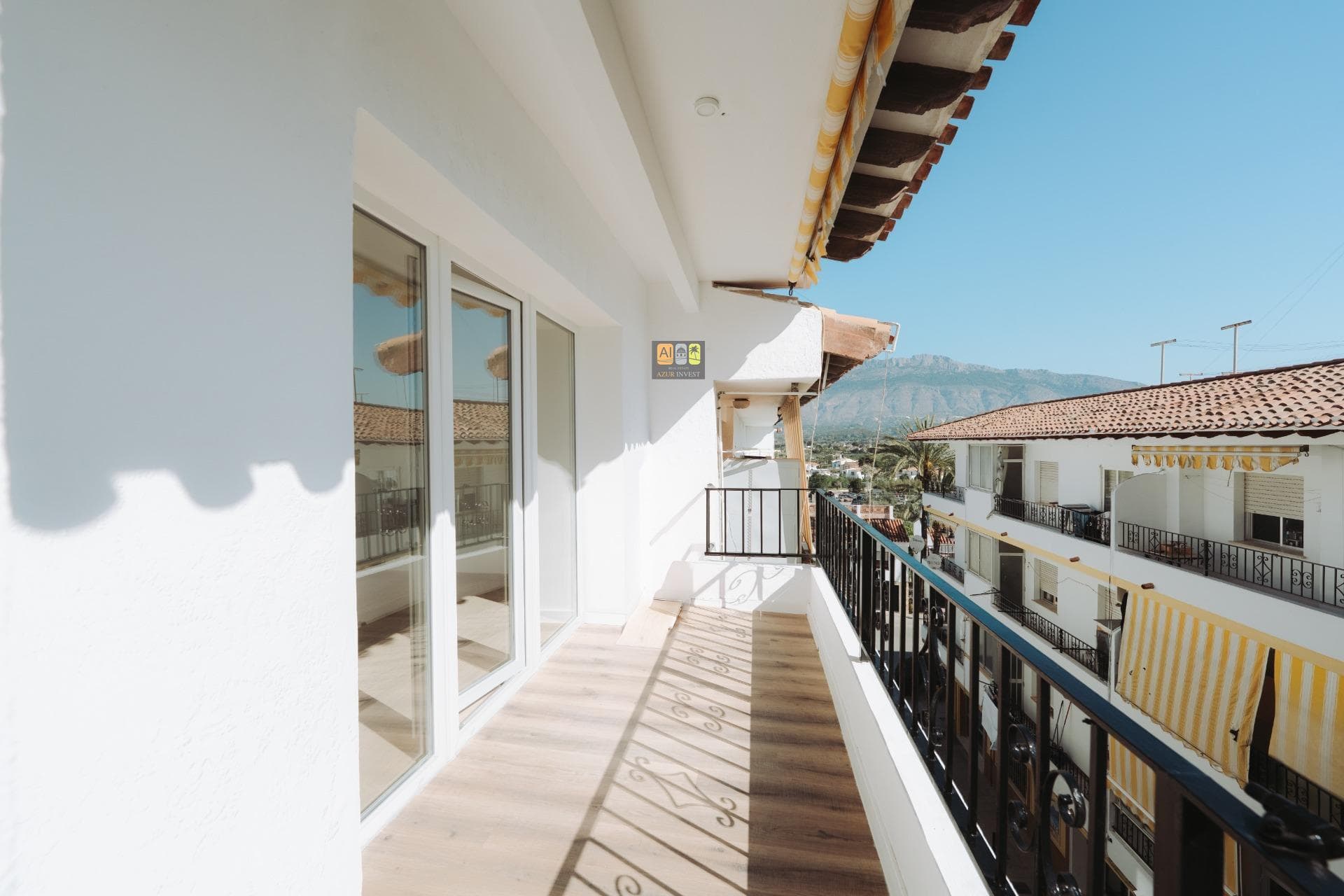
Frequently asked questions
- Can I buy a house in Spain without being a resident?
- Yes. You don't need Spanish residency or citizenship to buy a home. You need an NIE number, an agreed payment method, and, if you're financing the purchase, mortgage approval from a bank.
- How long does it take to buy a house in Altea from abroad?
- Two to four months from finding the property to signing at the notary, assuming your NIE and bank account are already sorted before you start viewing. Add another month if you're taking out a mortgage.
- Do I need to be in Spain to sign the purchase?
- No. You can give power of attorney to a lawyer or gestor in Spain who signs on your behalf, both for the deposit contract and the final deed at the notary.
- What costs should I budget for on top of the purchase price?
- Between 10% and 12% of the purchase price in taxes, notary, land registry and administrative fees, as of August 2026. The exact split depends on whether it's a resale property or new build.