
Living in Altea
Living in Altea: A Complete Year-Round Guide
What living in Altea is really like: winter weather, old town vs coast, healthcare, transport and what stays open off season. A guide before you decide.
31 August 2026 · 8 min · Azur Invest · updated 15/09/2026
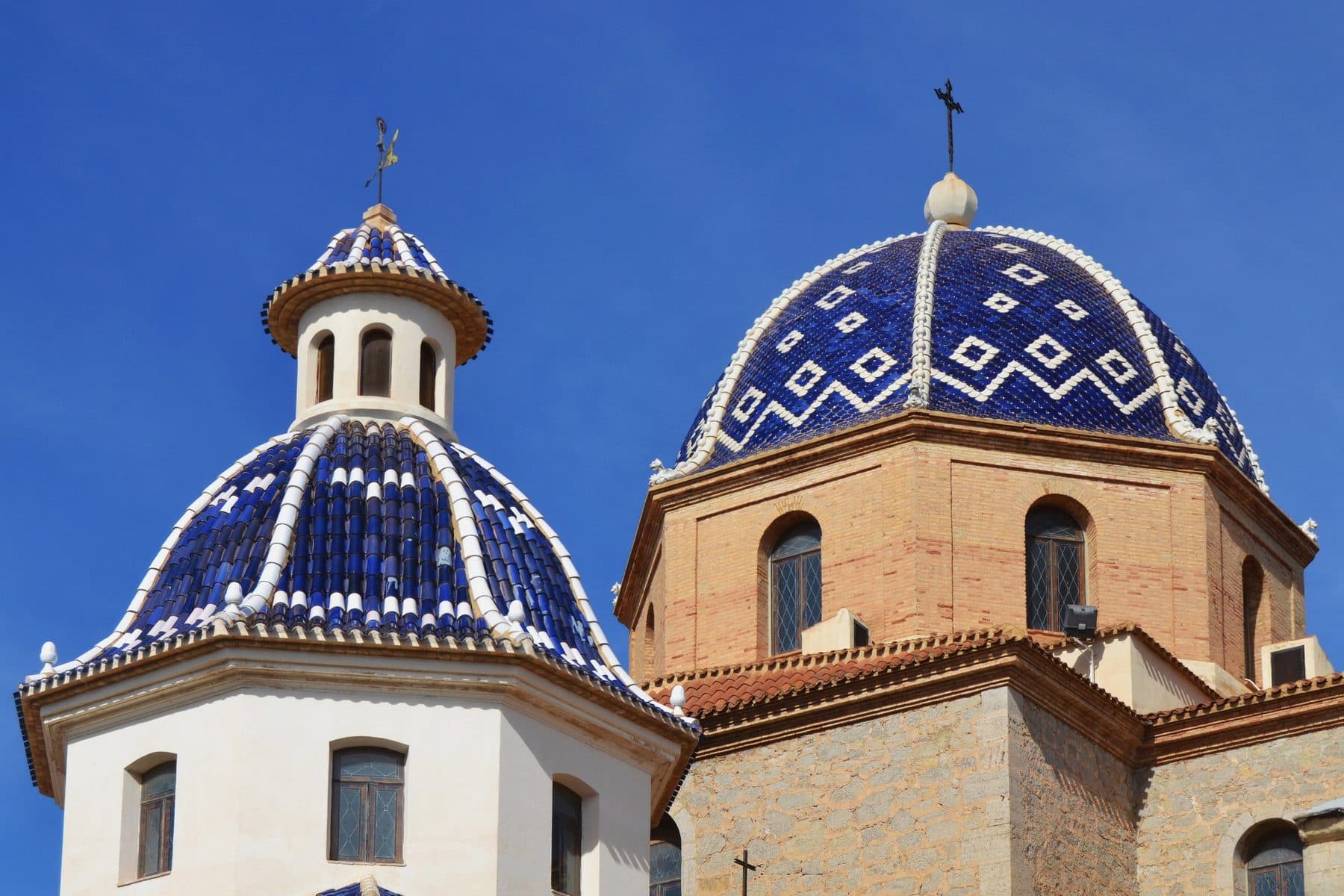
Photo: Joanbanjo · CC BY-SA 4.0
Living in Altea all year is a different experience from spending a couple of weeks here in August. The town runs at a different pace in January: different shop hours, quieter roads, a different social rhythm. This guide covers that real, everyday version of Altea, so you can decide with information rather than a postcard.
We have been selling and renting in Altea for more than 15 years, working with clients who made the jump from holidaymaker to full time resident. This is what they ask before signing, and what they find out afterwards.
What winter actually feels like in Altea
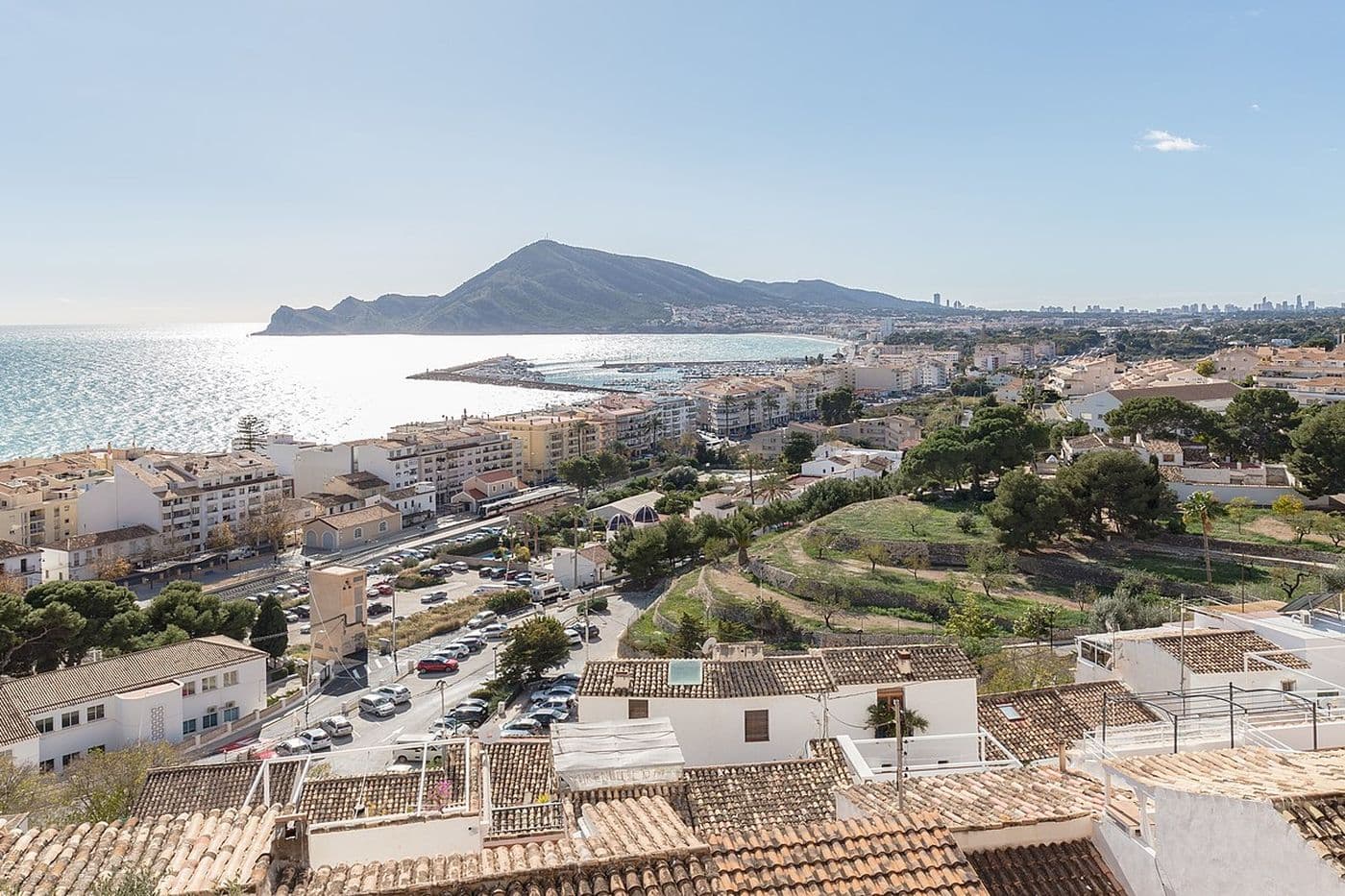
Altea has a mild Mediterranean climate, with winters that feel gentle compared with most of northern Europe. December, January and February bring frequent sunny days, interrupted by occasional easterly storms that stir up the sea along the promenade, and by wind that is more noticeable in elevated areas such as Altea Hills.
It is not a warm winter the way the Canary Islands are, and it is not as stable as the south of Portugal. Rain tends to arrive in short, concentrated bursts, mostly in autumn, and interior areas such as Altea la Vella can feel a genuine chill at night. For anyone coming from Belgium, the Netherlands or the Nordic countries, it is still a real jump in hours of daylight.
The real difference between seasons is less about temperature and more about pace. In August the seafront fills up from mid afternoon and finding a table without a reservation is hard. In January you can walk the same promenade almost alone, with mild enough midday temperatures to eat outdoors.
We cover this question month by month, with the honest inconveniences included, in our guide to Altea in winter, written for anyone weighing a second home against a permanent move.
Old town or coast: two different ways of living in Altea
Altea is not one place, it is several. The old town, with its whitewashed steep streets and the blue dome of the Nostra Senyora del Consol church, offers village life on foot: a bakery, a market, bars, neighbours who know each other. In exchange, the hills are real and almost no property has its own parking.
The coast and hillside urbanisations such as Altea Hills, Mascarat and Campomanes offer more space, a private pool and, in many cases, sea views. Prices tend to run higher, and a car stops being optional for groceries or the school run.
There is a middle ground too: Altea Pueblo, the residential grid around the historic centre but outside the protected old town. It mixes apartment blocks, schools and neighbourhood shops, with less postcard charm but easier parking and planning requirements that must be checked for each property.
We compare all seven areas of the municipality, with indicative pricing and buyer profile for each, in our guide to Altea's neighbourhoods. It is the natural next read after this one.
Getting around Altea, and getting out of it
Altea sits on the N-332, the coastal road linking it to Benidorm to the south and Calpe to the north, with a direct exit onto the AP-7 motorway at junction 64, which connects north towards Valencia and south towards Alicante and Murcia.
For short trips around the Marina Baixa without a car, the Alicante Metropolitan TRAM connects Altea with Benidorm and Dénia on Line 9, stopping right in the town centre, about 100 metres from the beach. The journey between Altea and Benidorm takes around 15 minutes, with hourly departures.
Alicante-Elche airport is around 65 kilometres away, 45 to 60 minutes by car on the AP-7 depending on traffic. It is the usual reference point for flights to Belgium, the Netherlands, France and the Nordic countries, with frequent connections especially in high season.
| Route | Option | Approximate time |
|---|---|---|
| Altea to Benidorm | TRAM Line 9 or the N-332 by car | 15 to 20 minutes |
| Altea to Calpe | N-332 or AP-7 | 15 to 20 minutes |
| Altea to Alicante-Elche airport | AP-7, exit 64 | 45 to 60 minutes |
| Altea to Valencia | AP-7 | Around 1 hour 30 minutes |
Inside town, a car remains close to essential unless you live in the old town or in Altea Pueblo, where you can manage most errands on foot. Hillside urbanisations such as Altea Hills depend on a car entirely, since there are no shops within the development itself.
One thing worth knowing before buying near the coast: the N-332 runs close to several stretches of first and second line properties, and traffic noise is noticeable there, especially in high season and at peak hours. It is not an issue everywhere, but it is real where it exists, so viewing a property at different times of day is worth the trip.
Healthcare in Altea, and what sits in Villajoyosa instead
Altea belongs to the Marina Baixa health department, with a health centre and local clinics. Check the official directory for locations, services and opening hours.
Before relocating, confirm with Social Security and the regional health service how to establish entitlement and obtain a health card. The European Health Insurance Card covers qualifying temporary stays; it does not replace the arrangements needed when moving your residence. See the official EHIC information.
Altea's international community
Altea has attracted foreign residents for decades, it is not a recent trend. There is an established base of Belgian, Dutch, French and Nordic residents alongside British and German ones, many living here year round rather than only on holiday.
That community supports associations, sports clubs, multilingual church services and a retail scene that operates comfortably in English, French and Dutch, something you do not always find in comparably sized towns along the Costa Blanca.
For British buyers specifically, moving here post Brexit means sorting an NIE number, registering on the padrón at the town hall, and, for stays beyond 90 days in any 180 day period, applying for residency rather than relying on tourist status. None of that is complicated, but it takes weeks, not days, so start the paperwork before you commit to a moving date. This is general orientation, not immigration advice: check your specific case with a gestor or immigration lawyer.
If you have children and are wondering how Spanish schooling works and what international options exist nearby, we cover it in our guide to schools in and around Altea. Altea is also home to the Fine Arts Faculty of the Miguel Hernández University, at Pla de Castell, which draws students from across Spain and abroad and gives the town a cultural layer unusual for its size.
That mix, a settled international population plus a university art campus, explains why Altea has a cultural life (galleries, a craft market, summer concerts) that does not match the image of a purely seasonal beach town.
What stays open, and what closes, off season
July and August are Altea at its busiest: restaurants with a waiting list, full beaches, an active promenade. From November to March the pace drops noticeably, and some tourism dependent businesses close or shorten their hours.
What does not close: the weekly market, public healthcare, schools, supermarkets, most bars and restaurants in the old town and Altea Pueblo, and neighbourhood shops. What can close or scale back: some beach bars, businesses geared purely towards sun and sand tourism, and reduced hours at the marina.
For anyone living here year round, that quieter stretch tends to be an advantage rather than a downside: less traffic, shorter supermarket queues, and a village feel that comes back into focus.
The weekly market, with stalls selling produce, clothing and local crafts, keeps running at its usual spot all year, and remains one of the most reliable meeting points for residents of every nationality.
What living in Altea actually costs
The cost of living depends heavily on the type of property and the area, there is no single figure that fits everyone. Property tax (IBI), community fees, utilities, home insurance and pool or garden upkeep vary sharply between an old town flat and a villa with grounds in Altea Hills.
We break down each of those categories, with indicative ranges, in our article on the cost of living in Altea. It is worth reading before you set a monthly budget beyond the purchase price of the property itself.
Altea compared with Benidorm, Calpe and Jávea
Altea does not compete with Benidorm on nightlife or year round urban amenities, and it is worth saying plainly. Anyone looking for that intensity will find more of it in Benidorm. What Altea offers instead is a historic old town, a sheltered bay and a quieter pace that suits people who want to live here, not just holiday here.
We compare all four towns in detail, with a profile and pricing table, in Altea, Benidorm, Calpe or Jávea: where to buy.
Altea's beaches, and why they shape where people choose to live
One detail that surprises newcomers: Altea's beaches are pebble, not sand. Cap Negret, La Roda, L'Olla and the Mascarat coves all share that shingle profile, which keeps the water very clear but calls for water shoes to walk in comfortably.
That detail affects property prices depending on proximity to each beach, which we cover in our article on Altea's beaches and coves.
Taking the next step
If Altea already sounds like the right fit, the logical next move is to see what is available right now. Browse properties for sale in Altea filtered by area and price, or explore holiday rental options if you want to try the town before you buy.
If you are relocating from abroad and want an honest read on which area suits your budget and lifestyle, get in touch with our team. We have spent more than 15 years guiding foreign buyers through exactly this decision, and we know the municipality street by street.
Transport timetables and service notices: TRAM d’Alacant. Los tiempos indicados son aproximaciones de planificación, no horarios garantizados.
From our portfolio
A property for sale in Altea right now
See the whole Altea portfolio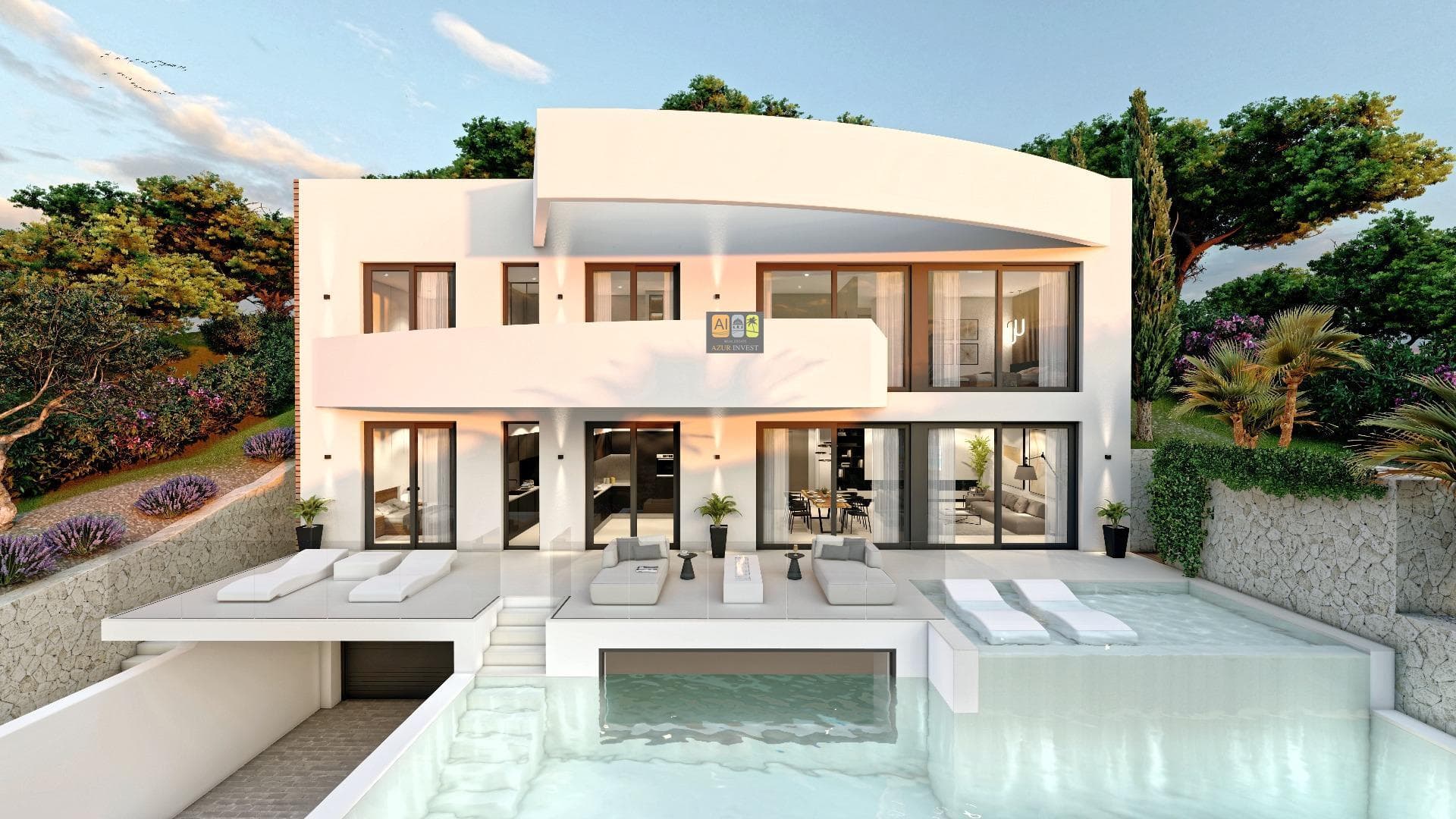
Frequently asked questions
- Can you live in Altea all year round, or is it just a summer destination?
- You can live here year round. Altea has a permanent population, schools, a health centre, local shops and an established international community. Some seasonal businesses close in winter, but the town runs normally.
- What is winter like in Altea?
- Mild by northern European standards, with frequent sunny days and occasional wind and rain. It is not warm the way the Canary Islands are, but it is much milder than central or northern Europe.
- Is it better to live in the old town or on the coast in Altea?
- It depends on your routine. The old town gives you village life on foot, with steep streets. The coast and hillside urbanisations give you more space and require a car. We break this down in our guide to Altea's neighbourhoods.
- How do you get to Altea from Alicante airport?
- Via the AP-7 or the N-332, around 65 kilometres and 45 to 60 minutes by car depending on traffic, leaving the motorway at exit 64. There are also bus lines and the TRAM from Benidorm.
- Is there an international community living in Altea?
- Yes, it has been part of the town's identity for decades. There are Belgian, Dutch, French and Nordic residents alongside British ones, many of them living here full time rather than only on holiday.