
Renting
Holiday rental yields in Altea: the numbers that matter
Gross yield, every cost you have to subtract, a worked example and how the income is taxed for residents and non residents letting a property in Altea.
31 August 2026 · 6 min · Azur Invest · updated 15/09/2026

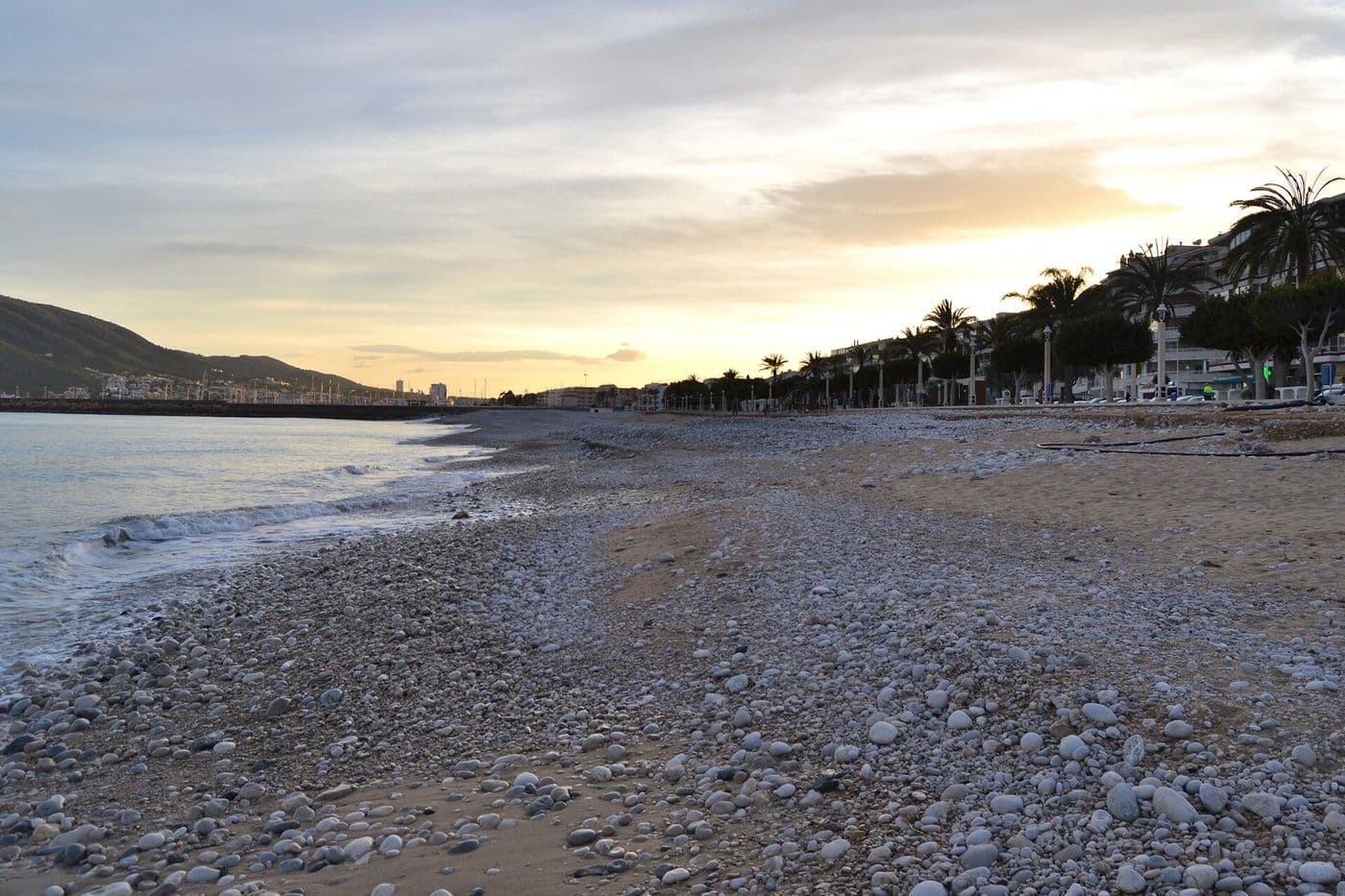
Photo: Joanbanjo · CC BY-SA 4.0
Gross yield is the number everyone quotes and the number that tells you least. This guide sets out what you actually keep after the platform, the cleaner, the tax office and the community have taken their share.
Gross yield, and why it is not enough
Gross yield is annual rental income divided by the total purchase cost. It is easy to calculate and easy to mislead yourself with, because it ignores every cost of running a holiday property.
Two flats bought at the same price on the same street can return very different net figures once one of them has high community fees, a long stairwell that puts off families, and a layout that needs two cleaners instead of one.
Everything you subtract before talking about net yield
- Platform fees: Fees depend on the platform, fee structure and your contract. Use the actual deductions on your statements, including taxes and extra services, when preparing a budget.
- Cleaning and laundry, per stay rather than per month. Short stays multiply this fast.
- Utilities. Guests do not moderate the air conditioning.
- Specific insurance. A standard home policy does not cover holiday letting.
- IBI and refuse charges.
- Community fees.
- Management, if you are not there to hand over keys and answer messages at midnight.
- Maintenance and replacement. Holiday use ages a property faster than a family does.
A worked example, not a promise
For a property grossing 18,000 euros a year:
| Line | Amount |
|---|---|
| Gross income | 18,000 euros |
| Platform commission, around 15% | 2,700 euros |
| Cleaning and laundry | 2,400 euros |
| Utilities | 1,200 euros |
| Specific insurance | 350 euros |
| IBI and refuse | 600 euros |
| Community fees | 900 euros |
| Management, if delegated | 1,800 euros |
| Maintenance | 500 euros |
| Net income before tax | 7,550 euros |
That is roughly 42% of the gross reaching the owner before tax. The figures are illustrative and drawn from typical costs in Altea, not a projection for any specific property.
Nightly rate matters as much as occupancy
Many owners fixate on filling the calendar and forget that raising the nightly rate in the weeks of highest demand, rather than competing downwards, usually improves the return more than chasing full occupancy.
A property at 70% occupancy at a good rate can net more than one at 90% at a low rate, because every additional stay also brings cleaning, laundry and wear. Occupancy is a vanity number. Net income per available night is the one to watch.
Real occupancy, not the advertised kind
Altea is seasonal. July and August fill, Easter and September do well, and January to March are thin unless you are targeting long stay winter visitors, which is a different product at a different price.
Any projection built on summer rates applied across twelve months is fiction. Build your own from a realistic season and treat winter income as upside.
How the income is taxed
- Spanish tax residents: taxed as property income within the general personal income tax base, on the progressive scale. Reliefs for qualifying main-home residential lettings do not automatically apply to tourist rentals.
- Non residents from the EU, Iceland, Norway and Liechtenstein: 19% on net income, meaning income less deductible expenses, via form 210.
- Non residents from outside the EU and EEA: 24% on gross income, with no deductions in most cases.
That last distinction matters more than most buyers expect. A non EU owner pays a higher rate on a larger base, which can turn a workable net yield into a marginal one. Model it before buying, not after.
Before any of this: the licence
None of these numbers matter without the tourist registration. The responsible declaration, the regional tourism register, the municipal urban compatibility report and the community authorisation are covered in our guide to holiday rental licences in Altea.
Which properties actually work
In Altea the properties that perform are the ones a guest can use without a car: the old town, the promenade and the streets immediately behind it. A guest who has to drive to buy bread writes a different review from one who walks downstairs into a square.
Size matters less than layout. Two bedrooms with two bathrooms outperforms three bedrooms with one, because it lets two couples share without friction, which is a large slice of the shoulder season market.
Managing it yourself or paying someone
The management line in the table above is the one owners most often try to remove, and it is worth thinking through before you do.
Self managing means answering messages at any hour, arranging cleaning between stays, meeting guests who arrive late, and handling the boiler that fails on a Sunday in August. It works if you live nearby or have someone who does. It does not work from another country, and the reviews show it quickly.
A management company typically takes 15% to 25% of gross income depending on how much it handles. That is a real bite out of the net, and in exchange you get a property that stays booked and maintained without you. The middle route, which many owners here take, is a local keyholder paid per changeover rather than a percentage of revenue, with the owner keeping control of pricing and the calendar.
The costs that appear in year three
First year projections are usually too optimistic because they only count what is visible at purchase. A holiday property ages faster than a family home: mattresses, sofas, outdoor furniture, pans, towels and linen all wear out on a two to four year cycle when they are used by a different household every week.
Set aside a replacement budget from the first year rather than meeting it as a surprise later. Somewhere around 5% of gross income is a reasonable working figure, and it is the difference between a property that still commands its rate in year five and one that starts sliding down the rankings.
When it makes sense, and when it does not
Holiday letting works in Altea when the property photographs well and is walkable, when you can absorb a thin winter, and when you either live nearby or accept the management cost.
It works less well when the property is a drive from everything, when the community is restrictive, or when you need predictable monthly income. In that last case a long term let, covered in our Spanish guide to long term rentals in Altea, gives you less headline income and far fewer moving parts.
Browse holiday properties in Altea, or talk to our team about what a specific property is realistically likely to return.
The example gives operating income before tax and financing. To calculate investment yield, divide it by the total acquisition and setup cost, including taxes and fees. The share of revenue retained is not the return on the investment.
From our portfolio
A holiday let available in Altea right now
See the whole Altea portfolio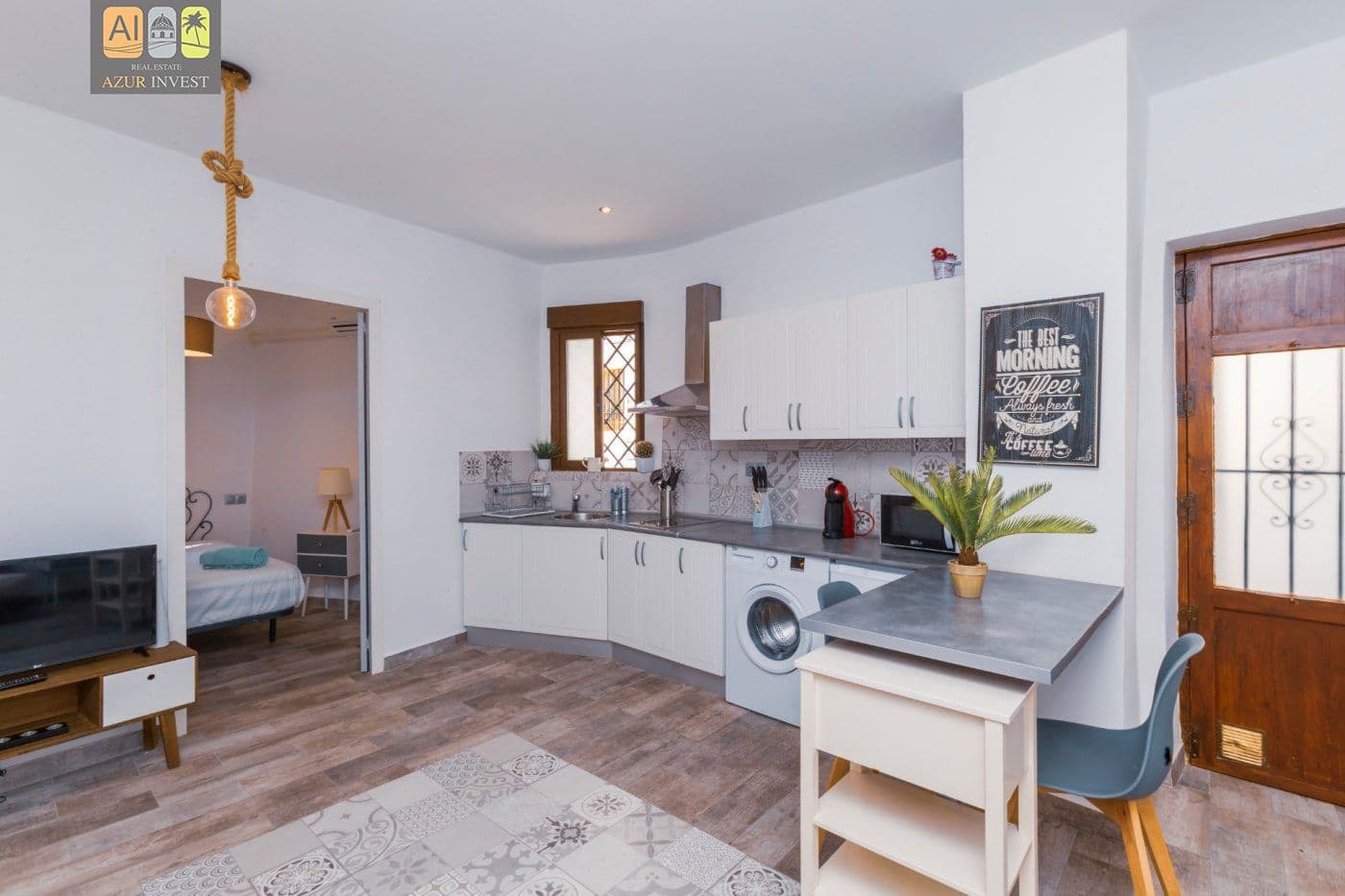
Frequently asked questions
- What do the booking platforms charge?
- Fees depend on the platform, fee structure and your contract. Use the actual deductions on your statements, including taxes and extra services, when preparing a budget.
- Is high occupancy the goal?
- Not on its own. A property at 70% occupancy at a good nightly rate often nets more than one at 90% at a low rate, because every extra stay adds cleaning and wear.
- How is holiday rental income taxed for a non resident?
- EU, Icelandic, Norwegian and Liechtenstein residents pay 19% on net income after deductible expenses, via form 210. Non residents from outside the EU and EEA pay 24% on gross income with no deductions in most cases.
- Can I switch between holiday and long term letting?
- Yes, and some owners do it seasonally. But a long term contract falls under the LAU with minimum terms, so you cannot simply reclaim the property for the following summer.