
Buying
Mortgages for non residents in Spain: how much banks lend
How much a Spanish bank lends a non resident buyer, which documents you need, how the valuation works and what the mortgage adds to your costs.
31 August 2026 · 6 min · Azur Invest · updated 15/09/2026
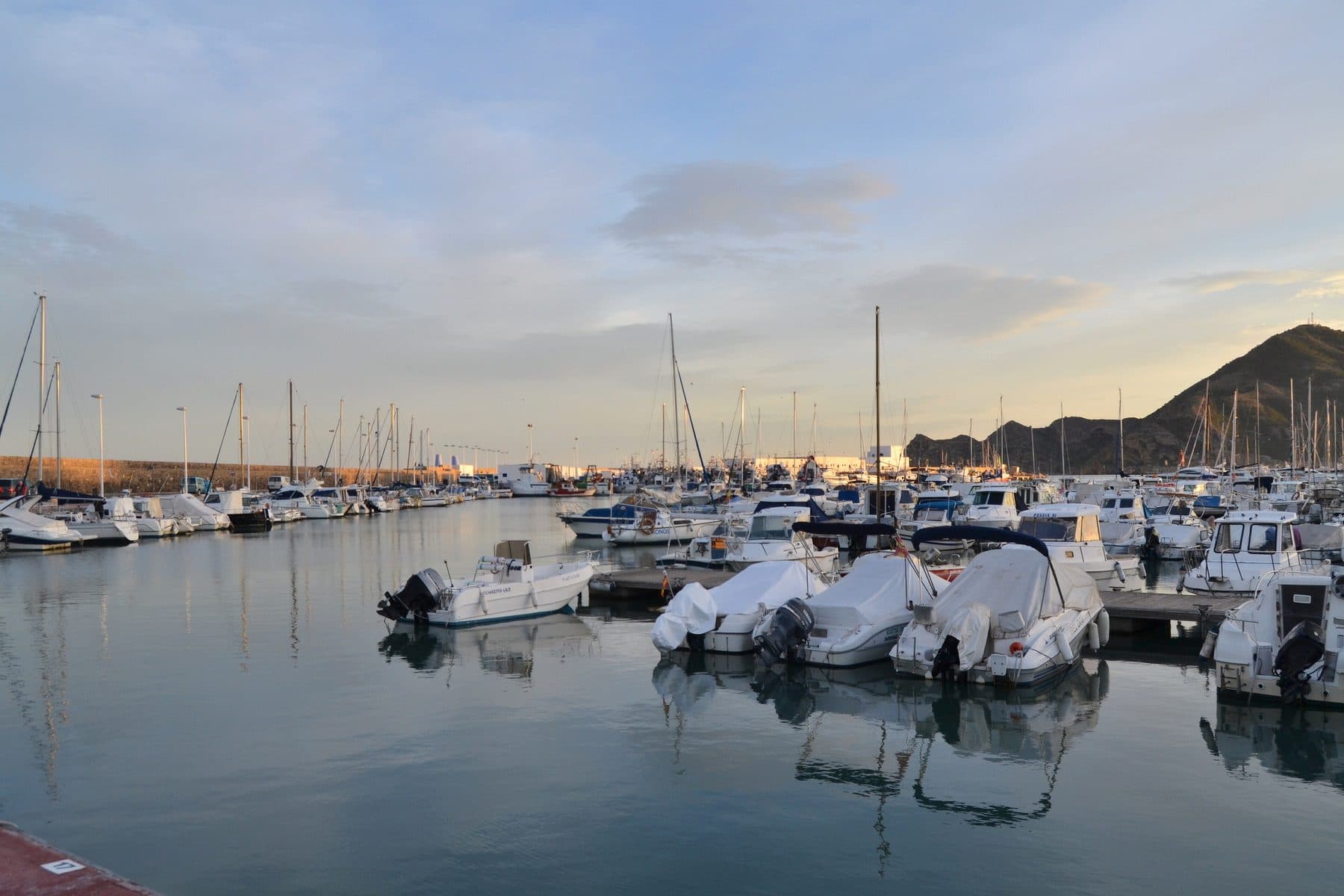
Photo: Joanbanjo · CC BY-SA 4.0
A Spanish bank will usually lend a non resident buyer between 60% and 70% of the valuation, against roughly 80% for a resident. The exact percentage moves with the bank and with your profile, so treat it as a range and not a fixed number.
Why non residents get less
The gap comes down to the risk the bank is taking. Without a Spanish salary and without a local credit history, the lender asks for a bigger deposit. As a guide, as at August 2026:
- Non residents: 60% to 70% of the valuation.
- Residents: up to 80% of the valuation on standard terms.
On a 400,000 euro property that means a non resident normally needs between 120,000 and 160,000 euros of their own capital, plus the purchase costs on top. Some banks vary their terms by nationality, by income or by whether you already bank with them. Ask for a written simulation before assuming anything.
Fixed or variable
As with any Spanish mortgage you can take a fixed rate, where the payment stays flat for the life of the loan, or a variable rate linked to the Euribor plus a margin set by the bank. For non residents the margin tends to sit a little above what a resident is offered, for the same risk reason.
Rates move constantly with monetary policy, so any specific number you read today may not be what you are quoted in three months. Ask the bank for current offers at the moment you apply, and compare them on the APR rather than the headline rate, because the APR folds in fees and associated costs.
Documents you will need
- NIE and a valid passport.
- The last two or three tax returns from your country of tax residence.
- Recent payslips, or income statements and balance sheets if you are self employed.
- Recent bank statements.
- Evidence of other assets and debts, such as other properties or active loans.
- At some banks, a credit report issued in your home country.
Every bank adds its own details, and several run international departments that work in English, Dutch or German. Confirm the exact list with the lender before gathering everything.
The valuation decides the loan
The lending limit depends on the offer and may use the lower of purchase price and valuation. You can choose an approved valuation company and supply a valid report meeting the requirements; the bank must accept it. Request a quote for its cost.
If the valuation lands below the purchase price, the lending percentage applies to the lower of the two and you make up the difference in cash. This is the single most common reason a buyer finds themselves short at the last minute, so build a margin into your budget rather than counting on the valuation matching the price.
Age and term
Spanish banks generally require the loan to be repaid before the borrower reaches an age limit, usually between 75 and 80 depending on the lender. Applying at 55 or 60 usually means a shorter term than a younger buyer would get, which pushes the monthly payment up even when the interest rate is identical.
That feeds straight back into how much you can borrow, because the bank works out an affordable payment from your income and then from the term available. Keep it in mind when comparing lenders: a longer term at one bank can beat a slightly better rate at another.
Timing: run it in parallel
The full process from submitting documents to final approval typically runs four to eight weeks. Start it alongside your search and the land registry check (in Spanish), not after signing the deposit contract, because that contract normally fixes a completion date that will not wait for the bank.
What the mortgage adds to your costs
Beyond the valuation, a mortgage brings its own costs:
- An arrangement fee, where the bank charges one. Many no longer do.
- Buildings insurance required by the lender; equivalent cover from another insurer must be accepted without a penalty or an assessment charge.
- Sometimes life cover or payment protection. Optional, though it occasionally buys a better rate.
- For loans covered by Law 5/2019, the lender pays mortgage notary, registry, administration and tax costs. The borrower pays the valuation and any copies they request. Purchase deed costs are separate.
Why we do not quote a single rate
The lending percentage, the interest rate and the fees all depend on the bank's own policy, on your income profile and on whether you already have a relationship with the lender. Two buyers looking at the same property can receive different offers from the same bank on the same day.
That is why you will not find a fixed rate quoted here. Get offers from several banks and compare them with your lawyer or adviser before committing.
Currency, and the risk nobody prices
If you earn in sterling, Swiss francs or Norwegian kroner and borrow in euros, your monthly payment is fixed in euros and variable in your own currency. The effect depends on how the exchange rate is quoted: if one pound buys 10% fewer euros, an unchanged euro instalment costs about 11.1% more in pounds.
Some buyers hedge this by holding a euro balance covering a year of payments. Others accept the exposure. What matters is deciding deliberately rather than discovering it on the third payment.
Improving your chances
Lenders look at more than income. They weigh your debt to income ratio, your age against the available term and how stable your earnings are. Clearing active debt before applying, or extending the term to lower the monthly payment, are the usual levers.
An independent mortgage broker who compares several banks at once can save real time if you have no Spanish banking relationship yet. Brokers are paid either by the bank or by the client depending on the arrangement, so ask how yours is remunerated before you engage them.
One last point that catches buyers out: you should not assume that a mortgage covers the full cost of the transaction. On top of the deposit you need liquid capital for the taxes and purchase costs, which are paid outside the loan and run to roughly 10% to 12% of the price. Add them in before deciding whether a particular property fits your budget.
This is general guidance, not financial advice. Confirm the specific terms with the bank, and with an independent adviser if anything is unclear, before you sign.
The full purchase sequence is in our guide to buying a house in Altea as a foreigner, and the tax side in taxes and costs of buying property in the Valencian Community. If you would rather talk it through, get in touch with our team or browse the villas available in Altea.
Sources: Banco de España: mortgage costs, insurance y valuation.
From our portfolio
A property for sale in Altea right now
See the whole Altea portfolio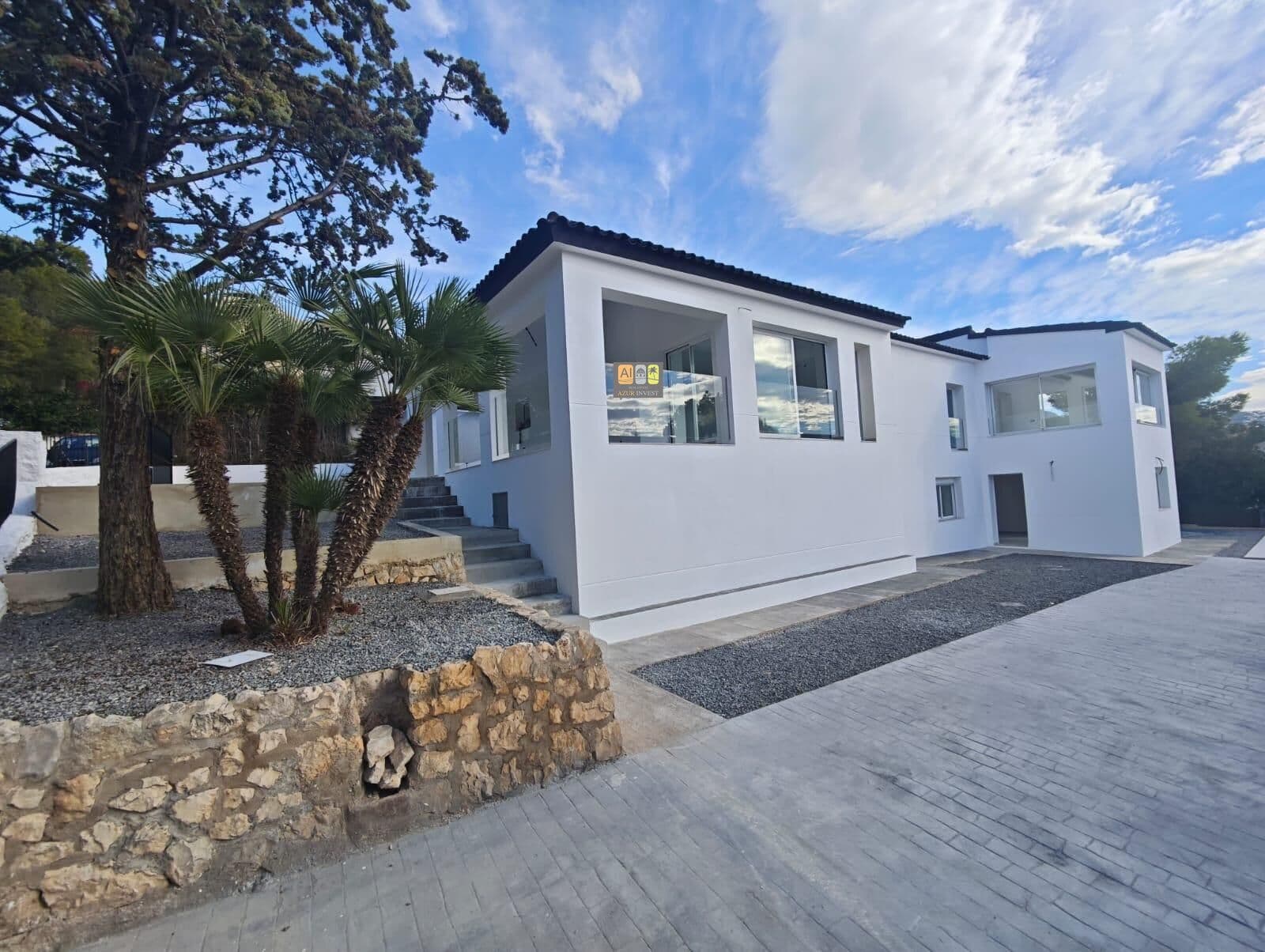
Frequently asked questions
- How much will a Spanish bank lend a non resident?
- Typically 60% to 70% of the valuation, against around 80% for residents. The exact figure depends on the bank and your profile, so treat it as a range rather than a fixed number.
- Is the loan based on the price I pay or on the valuation?
- It depends on the offer, often using the lower of purchase price and valuation. A low valuation can increase the cash you need.
- How long does a Spanish mortgage take to approve?
- Four to eight weeks from submitting documents to final approval, as at August 2026. Start it in parallel with your search, not after signing the deposit contract.
- Does my age affect the mortgage?
- Yes. Spanish banks usually require the loan to finish before the borrower reaches 75 to 80, so an older applicant is offered a shorter term, which raises the monthly payment even at the same interest rate.