
Selling
Selling a house in Altea: the seven step guide
Valuation, paperwork, photographs, viewings, negotiation, deposit contract and notary. What each step involves and what actually delays a sale in Altea.
31 August 2026 · 6 min · Azur Invest · updated 15/09/2026
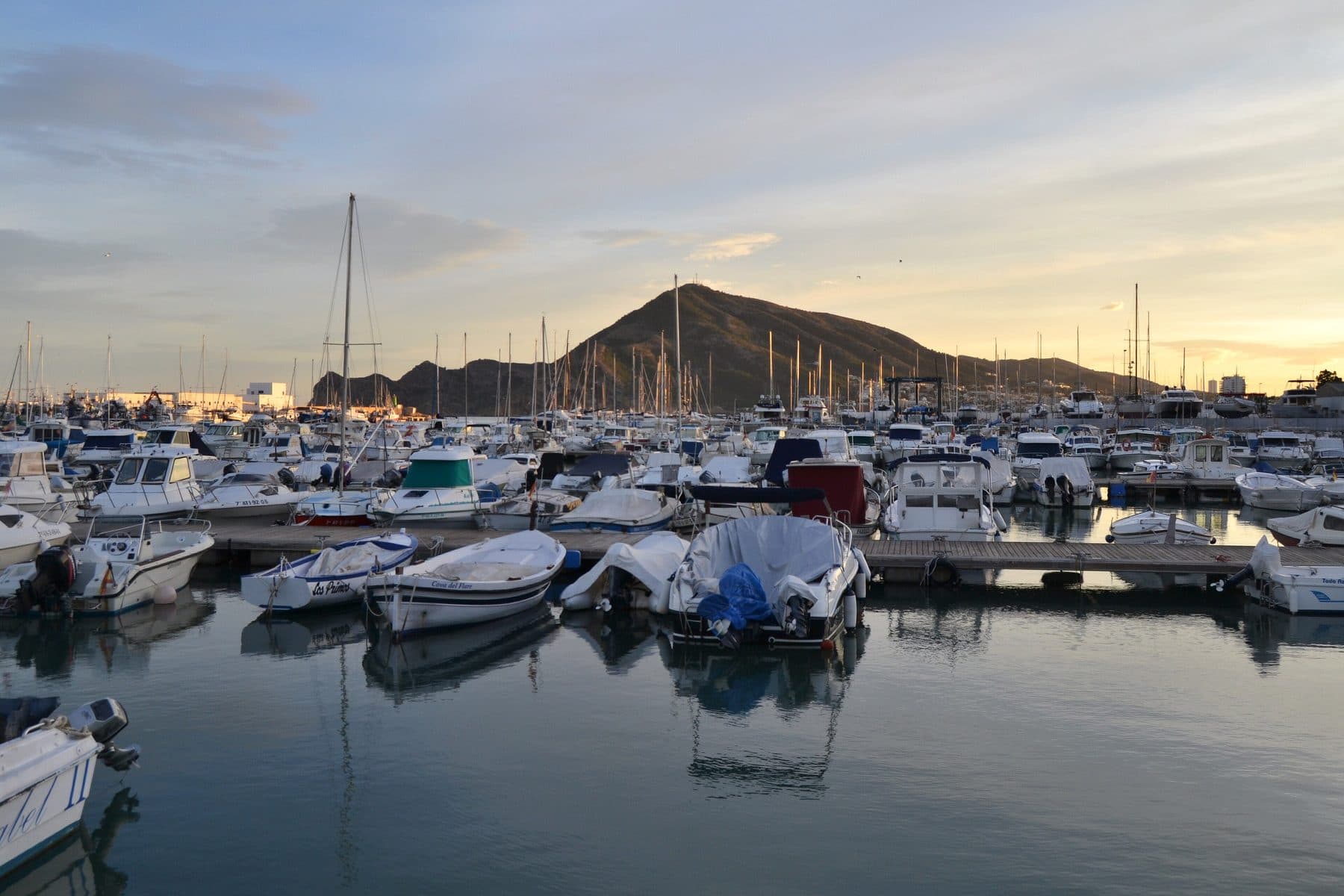
Photo: Joanbanjo · CC BY-SA 4.0
Availability and prices change. Check the current catalogue and compare equivalent homes; asking prices are not municipal statistics of completed sales.
The seven steps, and roughly how long each takes
| Step | Typical duration |
|---|---|
| Valuation and pricing | A few days |
| Gathering documents | One to three weeks |
| Photography and listing | One week |
| Viewings and offers | Two weeks to several months |
| Negotiation | Days |
| Deposit contract | Within about two weeks of an accepted offer |
| Notary and completion | Six to ten weeks after the deposit contract |
Step 1: value it on real data, not on the portal
Asking prices on property portals are what sellers hope for, not what buyers pay. In an area as varied as Altea, two streets apart can move a price by 15% or more.
The right comparison is recent completed sales of similar properties in your own zone, adjusted for condition, orientation, level changes on the plot and whether there is parking. If you want a figure for your own property, request a free valuation.
Step 2: gather the paperwork before listing, not after
The documents a Spanish sale needs are the title deed, a recent land registry filing, the energy performance certificate, the IBI receipt, community fee statements and certificate of no arrears where a community exists, and utility contracts. Where work has been done, the permits and the updated cadastral record.
Getting these before you list is the single cheapest thing you can do to shorten the sale. A buyer ready to sign who then waits three weeks for a community certificate is a buyer who starts looking elsewhere.
Step 3: photographs decide who books a viewing
The first impression happens on a screen, and it decides whether anyone comes at all. Shoot in good light, tidy and depersonalise the rooms, and if the property has a view, photograph it from where it is actually seen rather than from the doorway.
Step 4: qualify the viewings
Not every enquiry is a buyer. Someone with clear financing and the ability to complete within a normal timeframe is worth more than someone offering 10,000 euros more who needs six months to sort their own situation out.
Step 5: negotiate from a position, not from anxiety
Decide your floor before the first offer arrives, and decide it against comparables rather than against what you paid. In a market with few transactions, dropping the price in visible steps signals to the market that more drops are coming.
Step 6: the deposit contract
The deposit contract is the private agreement where buyer and seller fix the price, the deadline for the notary and the conditions. In Altea a deposit of 5% to 10% is normal, with consequences depending on the type of arras and the agreed conditions; forfeiture or double repayment is not automatic for every deposit contract.
Step 7: notary, taxes and keys
At the notary the public deed is signed, the balance of the price is paid and the keys change hands. Before that date, work out what you owe: municipal capital gains tax, personal income tax on the gain if you are tax resident in Spain, or non-resident tax on the gain with a 3% payment on account if you are not. The detail is in taxes when selling a house in Spain (in Spanish).

Selling as a non resident
Two things change. The buyer withholds 3% of the price and pays it directly to the tax office on your account using form 211, which is a payment on account of your non resident tax rather than a final tax. And you will normally need a Spanish bank account and, if you cannot travel for the signing, a power of attorney arranged well in advance.
What actually delays a sale in Altea
In our experience the holdups are almost never the buyer. They are unregistered building work that never made it onto the cadastral record, an unresolved inheritance among several owners, community fee arrears surfacing at the last minute, and a mortgage that has been paid off but never formally cancelled at the land registry.
Every one of those is fixable, and every one of them takes weeks. Which is why step 2 comes before step 3.
If you still have a mortgage
You can sell with a mortgage outstanding. The usual route is that the outstanding balance is settled at the notary out of the sale proceeds, with the lender present or represented, and the charge cancelled at the registry afterwards. Ask your bank for a cancellation quote early, because arranging their attendance takes time.
If you have been letting it to holiday guests
Two practical points. Bookings already taken need to be honoured or cancelled, and the deposit contract should say which. And the tourist registration does not transfer automatically to the buyer in every case, so if the buyer is counting on continuing to let it, establish early what they will need to do.
Choosing between several offers
When more than one offer lands, price is only one of four things to compare. The others are how the buyer is funding it, how quickly they can complete, and what conditions they are attaching.
A cash buyer who can sign in six weeks is frequently worth more than a mortgaged buyer offering slightly above asking, because the mortgaged offer carries a valuation that may come in low and a bank timetable you do not control. Ask for evidence of funds before accepting anything, and treat a buyer who declines to provide it as an unresolved risk rather than a done deal.
Conditions matter too. An offer subject to selling the buyer's own property elsewhere is not really an offer yet, it is an option, and it should be priced accordingly.
The mistakes that cost sellers most
Pricing to test the market. In a market with few transactions, an overpriced property does not simply sit, it becomes the comparison that makes everything else look reasonable. It also accumulates days on market, which every serious buyer checks.
Refusing the first offer on principle. The first offer is often the best one, because it comes from the buyer who has been watching the area longest and recognised value fastest.
Renovating before selling without checking the return. A new kitchen rarely returns its cost in Altea. Fixing damp, clearing the paperwork and repainting almost always does.
Start with what it is worth
Everything else follows from the price. Read how valuations really work in how much is my house in Altea worth (in Spanish), or ask us directly. Request your free valuation and we will come back with a figure based on what has actually sold in your street, not on what the portals are asking.
From our portfolio
A property for sale in Altea right now
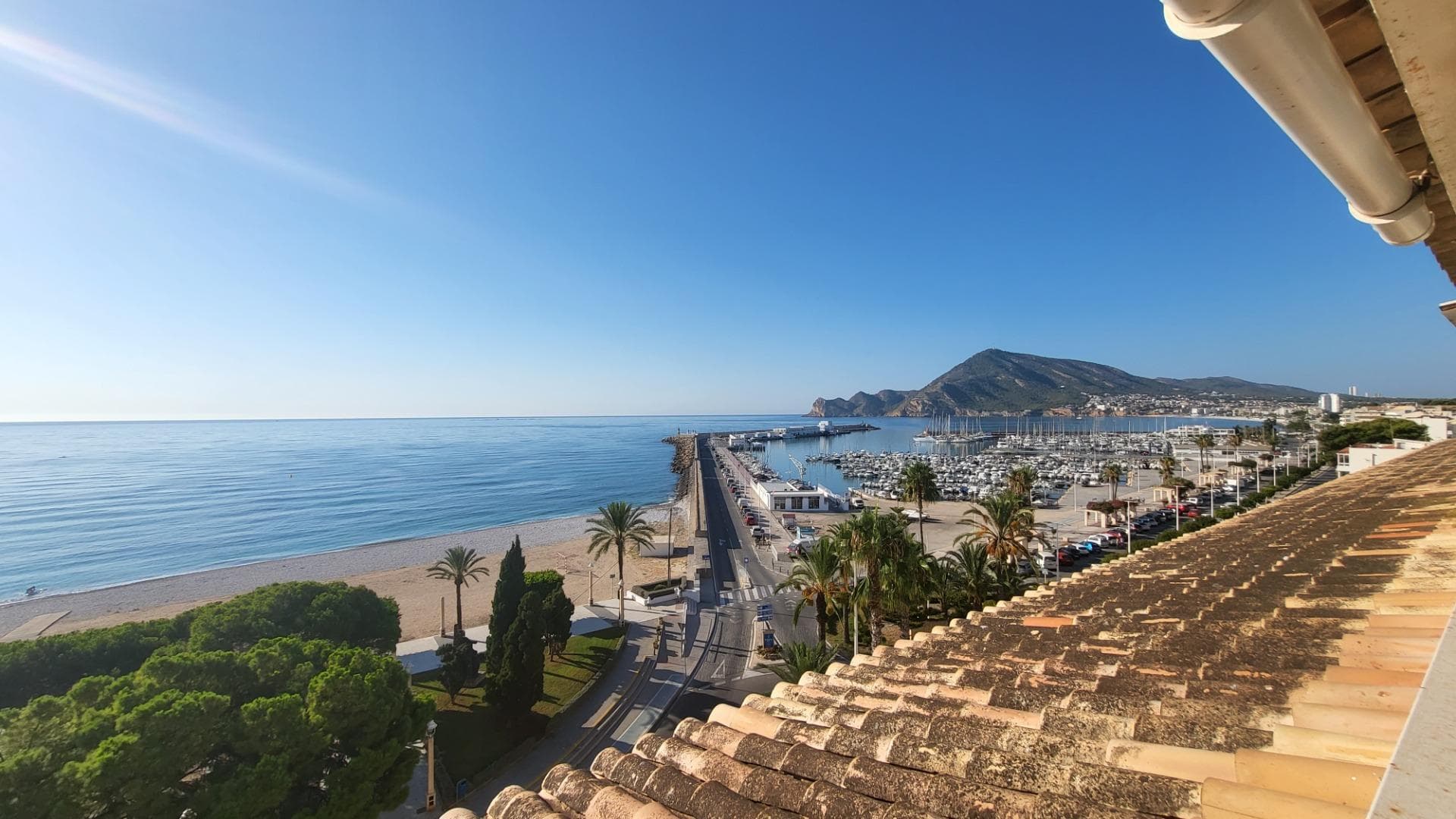
Penthouse in 1a linea
Altea · 1a linea
Frequently asked questions
- How long does it take to sell a house in Altea?
- From listing to keys, three to five months is normal when the paperwork is ready and the price fits the area. Properties needing full renovation or with unresolved planning issues take considerably longer.
- What deposit is standard in Altea?
- Five to ten percent of the price, held under a deposit contract that fixes the price, the completion date and the penalty if either side walks away without cause.
- What tax do I pay as a non resident seller?
- The buyer withholds 3% of the price and pays it to the tax office on your account, using form 211. You then reconcile it against your actual non resident capital gains position.
- Should I get the paperwork before or after listing?
- Before. A buyer ready to sign who then waits weeks for a certificate is a buyer who starts looking at other properties.