
Market
Who buys in Altea: buyer and investor profiles, from the 1970s summer visitor to today's investor
How the Altea buyer has changed over five decades, which types of investor operate today, who buys holiday homes, what return is realistic and who moves here year round.
10 September 2026 · 9 min
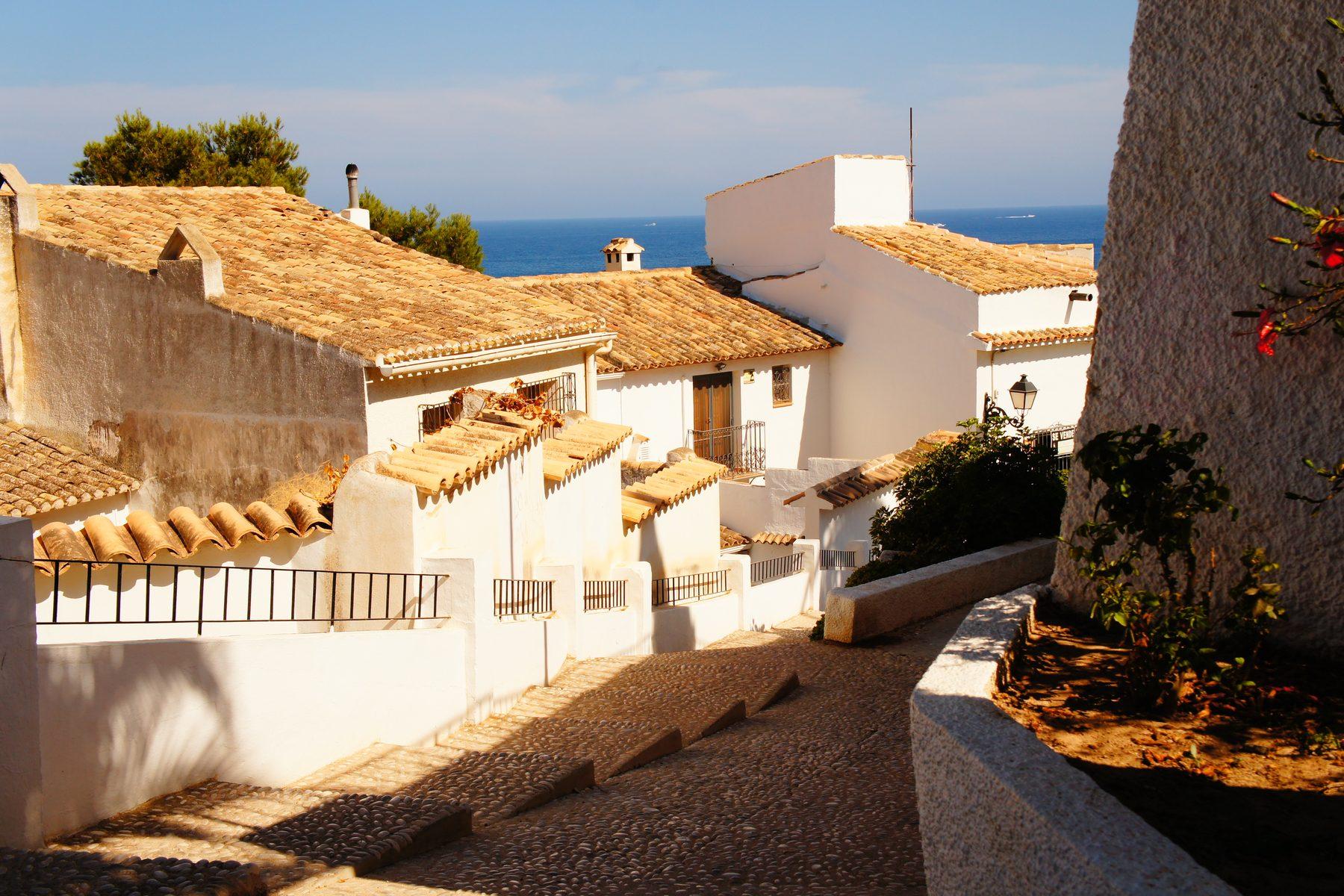
Photo: Superchilum · CC BY-SA 4.0
Altea has been welcoming buyers from abroad for sixty years, and in every decade the profile has changed: who arrived, what they were looking for and how much they were willing to pay. Understanding that evolution is useful for two things: knowing who you will sell your house to the day you decide to sell, and knowing who you compete with if you buy to invest.
This guide draws on what we see every day in our office on Calle Constitución and on our portfolio of around 190 properties. When we quote an external figure, we link to it. When we give a return figure, we label it illustrative.
A little history: who bought in Altea in each era
1960s and 1970s: the pioneers from the north. Altea was a village of fishermen and farmers with an old town on top of the hill. The first foreign buyers were artists, retirees and families from Germany, the Netherlands, the United Kingdom and Scandinavia who discovered the light and the climate. They bought village houses in the old town and plots on the hillsides at prices that seem symbolic today. That artistic profile left its mark: the Faculty of Fine Arts and the workshops of the old town come from there.
1980s and 1990s: the beach apartment and the urbanisation. With the Costa Blanca tourism boom came high rise construction along the beach strip and the first hillside urbanisations. The typical buyer was a Spanish family from inland, above all from Madrid and Valencia, or a British or German couple buying an apartment for the summer. Altea Hills was developed in this period and attracted a higher budget buyer wanting a villa with views.
The 2000s and the crisis. Prices rose strongly until 2007 and fell with the financial crisis. Between 2008 and 2014 the Spanish second home buyer almost disappeared, and the ones buying were foreigners with cash taking advantage of low prices: Belgians, Dutch, French, Norwegians and Russians. Many of the villas being resold today in Altea Hills and Mascarat changed hands in those years.
2015 to 2019: the European quality of life buyer. The recovery brought a more mature profile: couples aged 50 to 65 from Benelux, France and the Nordic countries buying a mixed use home, to spend long periods here and let it the rest of the year. It is the profile that has shaped the Altea market most over the last decade and it remains the majority in our portfolio.
2020 onwards: remote work, early retirement and families. The pandemic changed the question from "where do I spend my holidays" to "where do I want to live". Remote working professionals, families looking for schools and a different pace of life, and early retirees arrived. At the same time, on 3 April 2025 the residence by real estate investment route known as the Golden Visa stopped accepting new applications, which removed from the market the non EU buyer who bought mainly for the residence permit. The effect in Altea has been small: that profile was a minority here compared with the European buyer, who needs no visa.
Who buys today: the Spanish buyer and the international buyer
In our portfolio, more than three out of four purchases are made by an international buyer. That figure is Azur Invest's, not the municipality's, but it matches the trend in the province of Alicante, which has led Spain for years in home purchases by foreigners according to the Land Registrars' statistics.
The Spanish buyer buys mainly to live here all year or to have a second home they visit often. They prioritise access to schools, services and transport, and concentrate on Altea Pueblo, the more affordable urbanisations and second line apartments. They usually finance with a mortgage and decide slowly.
The international buyer comes mostly from Belgium, the Netherlands, France, Germany and the Nordic countries. They prioritise sea views, safety, quiet and proximity to the beach, and concentrate on Altea Hills, the seafront, Mascarat and the old town. They pay more often in cash or with a mortgage in their home country, and decide during short visits, often within a single week's stay.
The two profiles overlap more and more: Belgian and Dutch families settling here year round, and Spanish buyers purchasing a village house to let in season.
The four types of investor operating in Altea
Not everyone who buys to invest wants the same thing. In practice we see four profiles, and each should look at different properties.
1. The annual income investor. Buys a well located apartment or townhouse and lets it all year to a resident tenant. Looks for stable income, little management and an asset that appreciates slowly. Altea Pueblo, La Nucía and the well connected urbanisations suit them.
2. The mixed use investor. The most common in Altea. Buys a home they use a few weeks a year and let as a holiday home the rest of the time. They need a tourist licence, professional management and an area with demand from quality tourists: the old town, first and second line, and villas with pools on the hillsides. This is the profile Azur Holidays was born for. Read our guide to the holiday rental licence in Altea before buying.
3. The renovate and resell investor. Buys a village house or a 1980s villa that needs renovation, updates it and sells it. It works in Altea because there is little new land and renovated product is scarce, but it requires a good knowledge of old town regulations and licence timelines. It is the profile with the most risk and the most margin.
4. The future resident. Buys today the house they want to retire to in five or ten years and lets it in the meantime. Their priority is not maximum return but that the house is the right one to live in afterwards: ground floor or lift, easy access, close to services. They tend to be the most satisfied buyer in the long run.
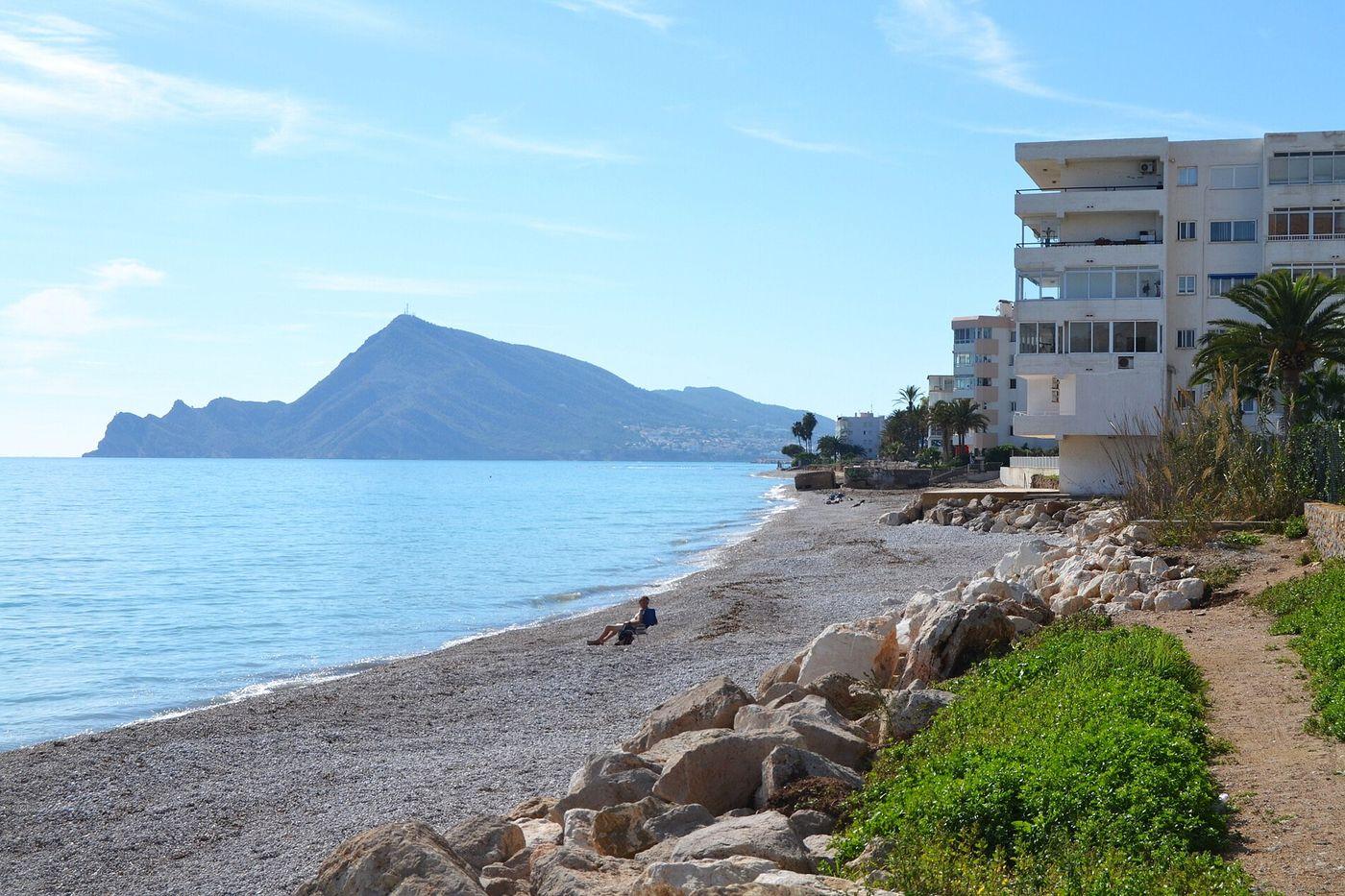
Who buys holiday homes and why
Holiday homes in Altea are bought above all by the mixed use investor and the future resident. It is almost never a fund or a purely financial investor: it is a European couple or family who have known Altea for years, often because they have rented here several summers.
That is a pattern we see repeat: some of our best clients rented with us one summer and bought their house through us years later. That is why we refund the accommodation to anyone who stays in one of our holiday apartments and then buys with us.
What this buyer wants is fairly well defined: a terrace or garden, sea views if possible, a private or communal pool, two or three bedrooms, and an area with life but without the noise of a mass destination. That is exactly what sets Altea apart from Benidorm, and we develop it in our comparison Altea, Benidorm, Calpe or Jávea.
What return is realistic
Here it pays to be honest: there is no single percentage, and be wary of anyone who gives you one without knowing the property.
The real return depends on three things: the price you pay, the occupancy you actually achieve and the costs you subtract before talking about profit. In our guide to holiday rental returns in Altea we develop a full illustrative example: on gross income of around 18,000 € a year, after platforms, cleaning, utilities, insurance, IBI, community fees, management and maintenance, around 7,550 € net remains before tax. That is roughly 40 % of gross. If someone promises you will keep 80 %, they are forgetting half the costs.
In long term letting the gross return is lower but so are management and wear, and it does not depend on the season. In either case, the tax side changes a lot depending on whether you are resident or not: we explain it in our guides to taxes when buying and when selling.
Appreciation is the other half of the equation. Altea has a structural advantage we explain in our guide to the Altea property market: very little new land, a protected old town and constant international demand. That supports the prices of what is already built, but it guarantees nothing in the short term. Anyone buying to invest in Altea should think in terms of seven to ten years, not two.
Who moves here year round
The residential profile has grown more than any other since 2020. Three groups:
Families with children, Spanish and European, who value safety, the municipality's five schools and secondary schools, and the Faculty of Fine Arts, which keeps the town alive in winter.
Professionals who work remotely, who need a good connection, a home office and a town with life twelve months a year. The old town and Altea la Vella suit them well.
European retirees and early retirees, looking for climate, healthcare, quiet and a community where compatriots already live. They prioritise ground floor or lift, closeness to services and a house that is not hard work. Our guide to living in Altea answers their most common questions.
What unites the three groups is that they no longer buy the summer house: they buy the house of their life. That changes what they demand of the property and what they are willing to pay to get it right.
What all this means if you are selling
If you own a house in Altea and are thinking of selling, your most likely buyer is a European aged 45 to 65 who decides in a few days, compares with Calpe and Jávea, and pays for views, light, a terrace and a home that is ready to move into. Preparing the house for that buyer, setting the price with real data from the area and publishing it where they search is what makes the difference between selling in weeks or in months. We explain it step by step in our guide to selling a house in Altea.
What it means if you are buying
If you buy to invest, first choose your investor profile from the four above and then the area, not the other way round. If you buy to live, think about the house in ten years' time, not next summer. In both cases, always ask for real data: the property's booking history, closed comparables on the street and the planning status of the building before signing anything.
If you would like to know which buyer profile is moving right now in the area you are interested in, come to the office or write to us. It is information that is not on the portals.
From our portfolio
A property for sale in Altea right now
See the whole Altea portfolio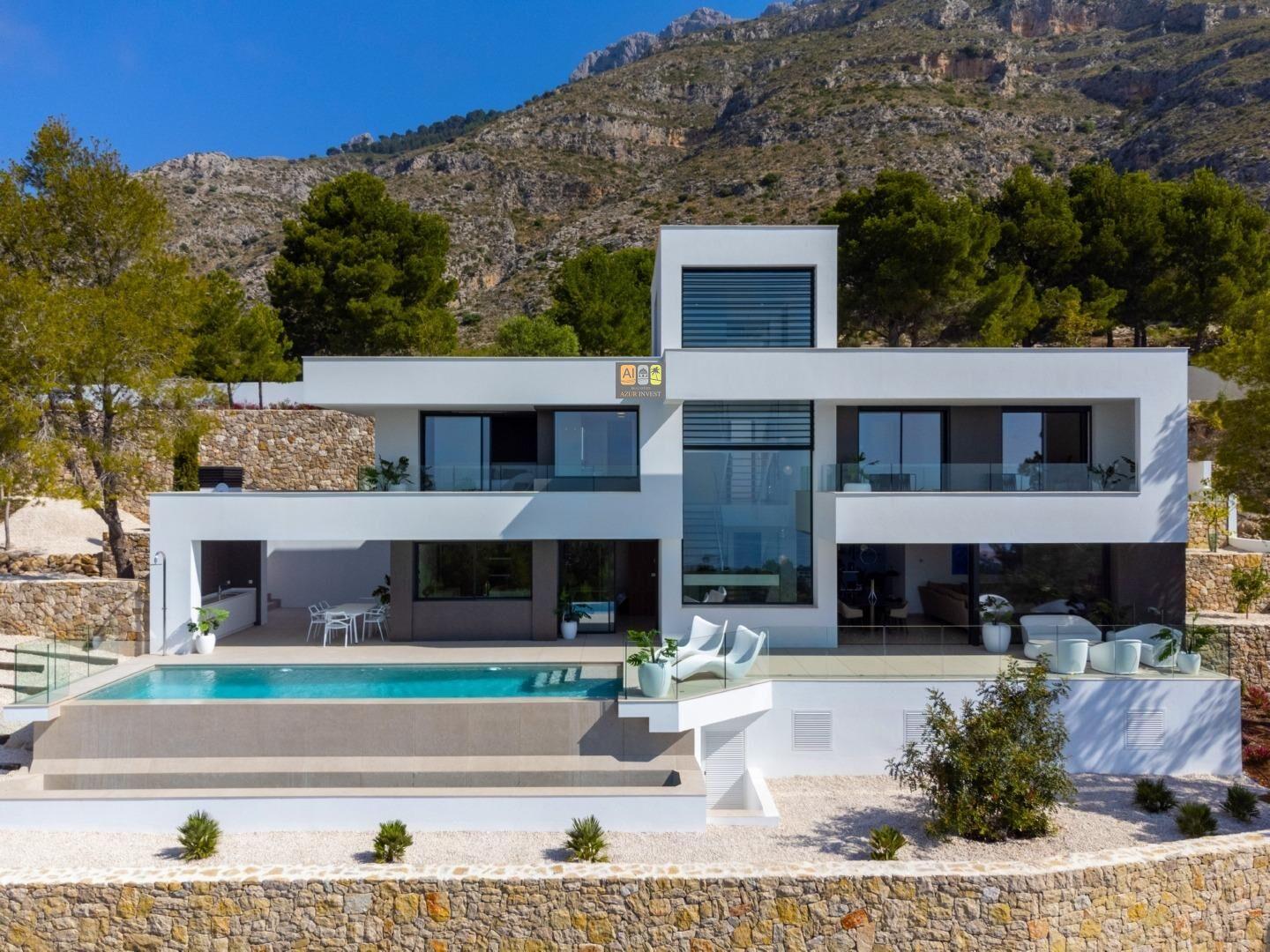
Frequently asked questions
- Who buys property in Altea today?
- In our portfolio, more than three out of four purchases are made by an international buyer, mainly Belgian, Dutch, French, German and Nordic, looking for a second home, a rental investment or a change of life. Spanish buyers are fewer in number and concentrate on year round homes in Altea Pueblo and the urbanisations.
- What types of investor operate in Altea?
- Four profiles: the one who buys to let all year, the one who combines personal use with holiday letting, the one who buys to renovate and resell, and the one who buys the house they plan to retire to in a few years and lets it in the meantime.
- What return is realistic in Altea?
- It depends on the purchase price, the real occupancy and the costs. For a well managed holiday let, the illustrative example in our return guide leaves a net income before tax of around 40 % of gross income. Always ask for the booking history of the specific property before you buy.
- Does the Golden Visa for buying property in Spain still exist?
- No. The residence by real estate investment route (500,000 €) stopped accepting new applications on 3 April 2025. Anyone wishing to reside in Spain must use other routes, such as the digital nomad visa or the non lucrative residence permit.