
Living in Altea
Cost of Living in Altea: What You Pay to Live Here
Cost of living in Altea, item by item: IBI, community fees, utilities, home insurance, pool upkeep and the car, plus the documents to ask for before you buy.
· 7 min read · Bruno Barbara, Azur Invest
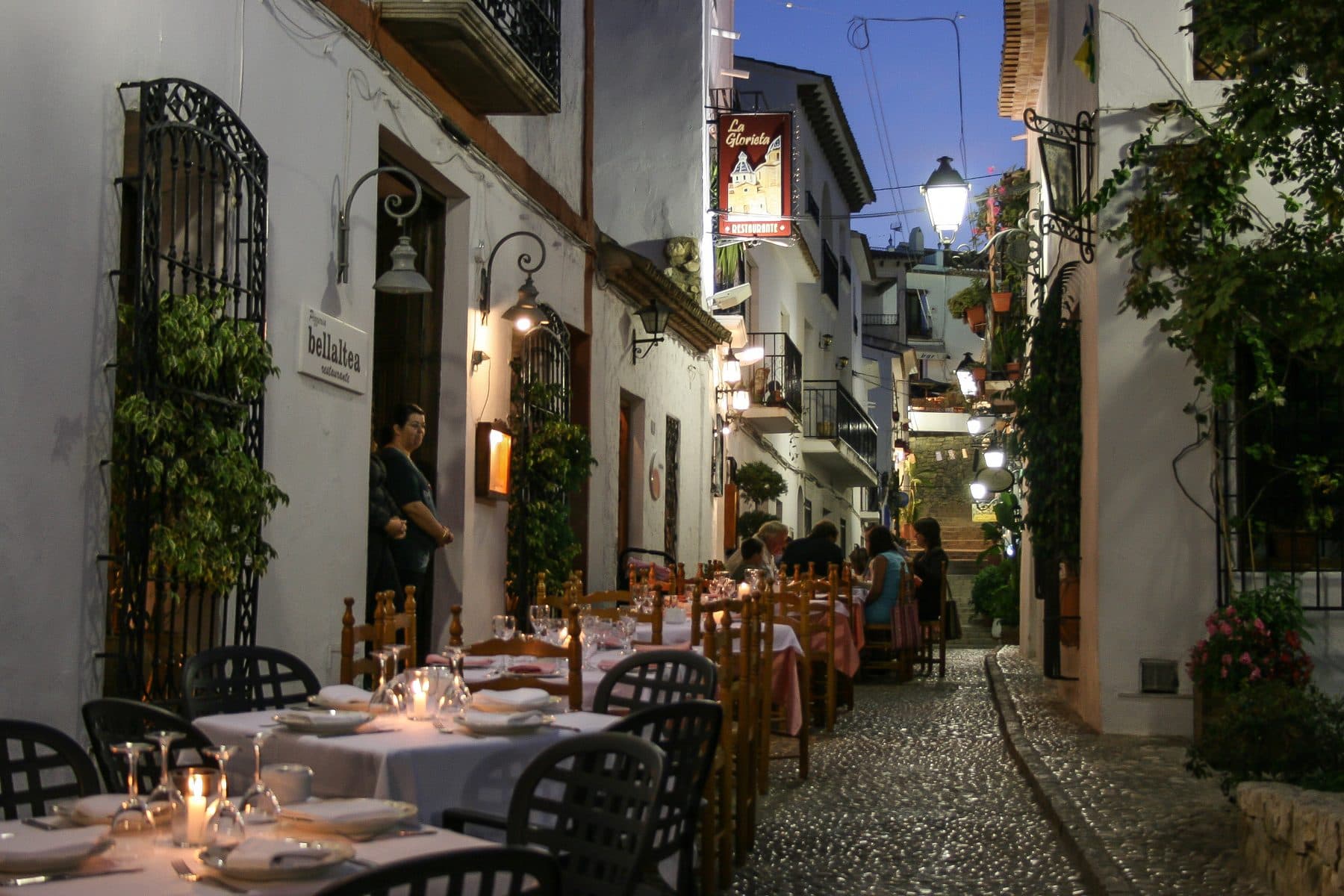
Photo: https://es.wikipedia.org/wiki/User:Josemanuel · CC BY-SA 3.0
The cost of living in Altea has no single figure, because it depends on the type of home, the area and the way you live. A flat in the old town and a villa with a pool in Altea Hills carry very different fixed costs. This guide breaks down each real expense, so you can build your own budget from the documents of a specific property.
Most of these costs are fixed: you pay them whether you live here all year or spend six weeks in summer. That matters to British and Nordic buyers weighing a second home against a permanent move.
What should you ask for before budgeting the cost of living in Altea?
Before you budget, ask the seller for the latest IBI bill, the latest community receipt, the community minutes from the last two years and twelve months of utility bills. These documents give you the real figures of that property. The table below lists each expense, the document that proves it and the reason it varies.
| Expense | Document to ask for before buying | Why it varies |
|---|---|---|
| IBI (annual property tax) | Latest bill for that specific property | Cadastral value, not market price |
| Community fees | Latest receipt and minutes from the last two years | Services included (pool, security, garden) |
| Utilities | Bills for the last twelve months | Size, insulation, pool, seasonal or year round use |
| Home insurance | Quotes from at least two insurers | Rebuild value, pool cover |
| Pool and garden | Maintenance quote, if a service is already contracted | Size, type of garden, your own work or an outside service |
No two homes in Altea have the same figures, even within the same area. Use this table as a guide to what to ask, then confirm every line with the real paperwork of the property before you settle on a final budget.
How much is IBI in Altea, and how is it calculated?
IBI in Altea has no fixed amount: Altea town hall charges it once a year on the cadastral value of the property, which is usually lower than the market price. IBI (Impuesto sobre Bienes Inmuebles) is the annual local property tax that every owner in Spain pays. Cadastral value is the administrative value recorded for the property in the Catastro, and it sometimes sits well below what the home would sell for.
We do not give a single IBI figure here because it varies too much between homes. A large villa in Altea Hills pays a very different IBI from a small flat in Altea Pueblo. Before buying, always ask for the latest IBI bill of the specific home you are considering. Any seller should be able to provide it, and it is the real number for that property.
What do community fees cover in Altea?
Community fees in Altea cover the cleaning of shared areas, garden and pool maintenance, building insurance and, in many complexes, security or a concierge. You pay them monthly or quarterly if you buy a flat, a townhouse in an urbanisation, or a villa inside a complex with shared areas. A community of owners (comunidad de propietarios) is the legal body that runs those shared areas and sets the fee.
Communities with more services, such as a pool, large gardens and 24 hour security, charge higher fees than a block of flats with no significant shared areas in the old town or Altea Pueblo. Much of Altea Hills falls into the first group. Always ask for the latest community receipt and, if possible, the minutes of the last two years of meetings. A derrama is a one off special levy that owners vote for a specific works project, and pending derramas show up in the minutes, never in the monthly receipt.
What do electricity, water and gas cost in an Altea home?
Utility costs in an Altea home depend on its size, its insulation and whether a pool filter runs for much of the year. A large villa with a pool and air conditioning in several rooms uses noticeably more than a two bedroom flat. Three practical checks before you buy:
- Ask for the bills of the last twelve months for that specific home, rather than an area average. Real consumption varies a lot with insulation and with how the previous owner used the house.
- Check whether the home has solar panels, or whether installing them is a realistic option. Solar is increasingly common on villas with their own plot in Altea.
- Remember that a second home used only in summer has a very different consumption pattern from a home you live in all year.
Do you need home insurance in Altea?
Home insurance is standard practice for any owner in Altea, and a mortgage lender can require buildings cover when it grants the loan. That requirement does not oblige you to buy the bank's own multi risk policy. Outside a mortgage, owners near the coast or with a pool almost always insure as a matter of course.
The premium depends on the rebuild value of the property, the contents you insure and extra cover such as public liability for the pool, which is worth checking explicitly if you have one. Compare several insurers active in the Valencian Community before you sign. Policies at a similar price can differ a great deal in what they actually cover.
How much do a pool and garden add to the cost of living in Altea?
A pool and garden add a recurring cost for chemicals, cleaning, filter electricity, watering and pruning, whether you do the work yourself or hire a service. It is the expense that surprises people most when they move from a flat with no private outdoor space. A pool needs treatment and cleaning through the year, and the filter pump runs on electricity.
The garden adds irrigation and pruning. A natural lawn instead of native, low water planting means a noticeably higher water bill in the summer months. Many villas in Altea Hills and Altea la Vella have replaced part of their lawn with a Mediterranean garden for exactly this reason. Read more about the hillside areas in our guide to Altea's neighbourhoods.
Can you live in Altea without a car?
You can live in Altea without a car if you choose the old town or Altea Pueblo, where shops, schools and the TRAM towards Benidorm and Dénia are within walking distance. In Altea Hills, Altea la Vella or any hillside urbanisation, a car is a necessity. That puts fuel, car insurance and maintenance into the monthly budget.
If your household needs two cars, which is common when both partners work in different parts of the Marina Baixa, a large part of those costs doubles. The TRAM and the bus lines serve the coastal strip well, but they do not reach the hillside urbanisations. If you are considering a villa in Altea Hills or Altea la Vella and hope to manage without a car, visit in person and walk to the nearest stop before you assume it will work day to day.
How does the cost of living fit into your decision to buy in Altea?
The cost of living in Altea makes most sense alongside the rest of life here: climate, transport, healthcare and community. We cover all of it together in our guide to living in Altea, and we explain how the town changes from November to March in Altea in winter.
If you already know your monthly budget and want to see what fits, browse homes for sale in Altea by property type. You can also contact our team and ask for the real IBI and community receipts of the homes that interest you before you view them.
From our portfolio
A property for sale in Altea right now
See the whole Altea portfolio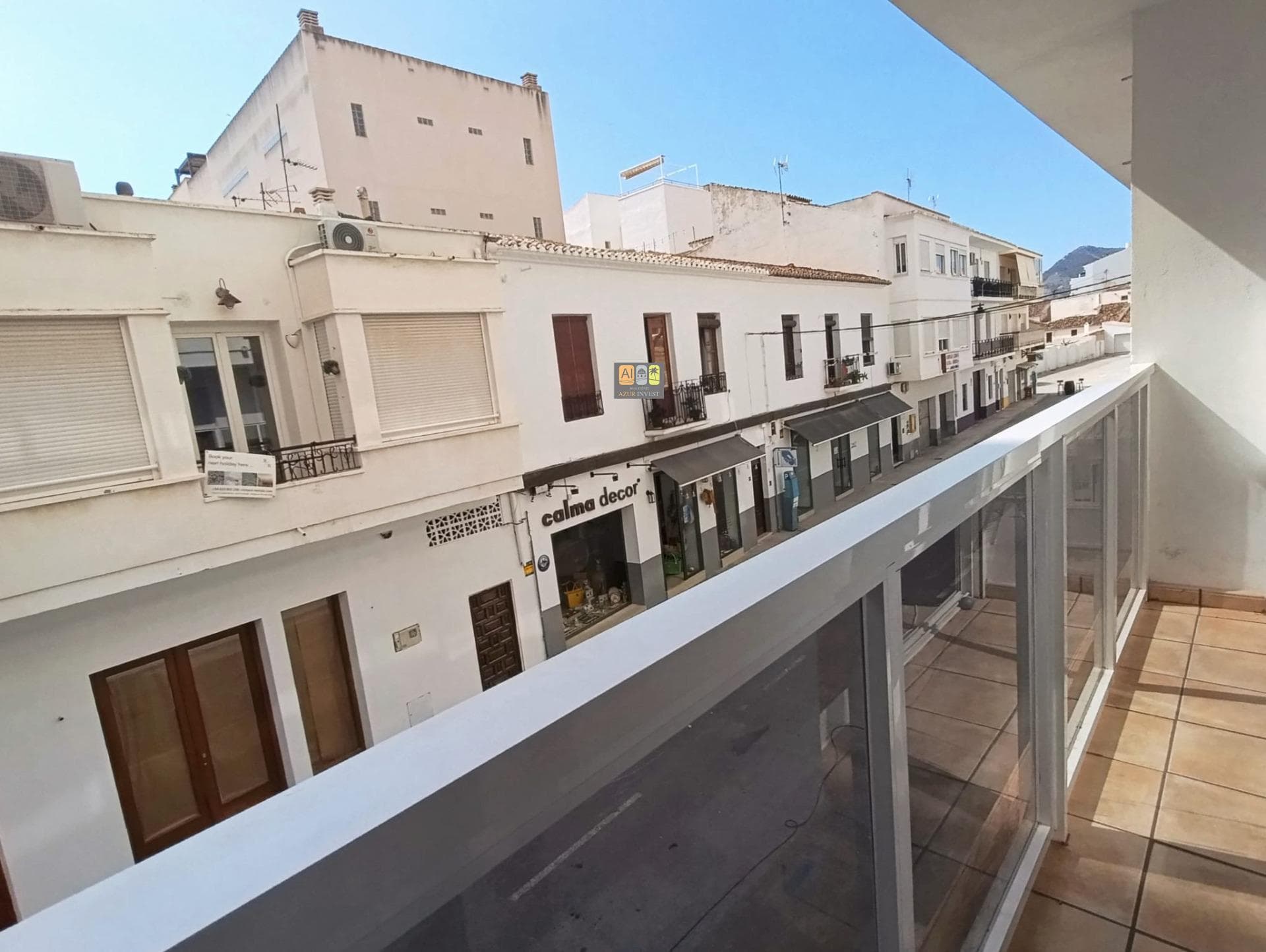
Frequently asked questions
- How much is IBI in Altea?
- IBI in Altea depends on the cadastral value of each property, an administrative value that is usually lower than the market price. There is no single figure for the town. Ask the seller for the latest IBI bill before you buy: it is the real amount for that specific home, and any seller should be able to provide it.
- Is it expensive to run a pool in Altea?
- A pool has a fixed running cost: chemicals, regular cleaning and the electricity for the filter pump. On a private villa you pay it yourself, on top of any community fee. In a shared complex the cost is split between owners through the community fee. The amount varies with the size of the pool and whether you hire an outside service.
- Is a flat or a villa more expensive to live in, in Altea?
- A villa usually carries higher fixed costs: a pool, a garden, more floor space to heat or cool and, in many cases, a private urbanisation community fee. A flat in Altea old town or in Altea Pueblo removes a good share of those costs, and often the need for a second car as well.
- Can you live in Altea without a car?
- Yes, if you live in the old town or in Altea Pueblo, where shops, schools and the TRAM stop are within walking distance. In Altea Hills, Altea la Vella and the other hillside urbanisations a car is a necessity, so fuel, insurance and maintenance belong in your monthly budget from the start.
- What documents show the real running costs of a home in Altea?
- Ask for five things: the latest IBI bill, the latest community fee receipt, the community meeting minutes from the last two years, the utility bills for the last twelve months, and the pool or garden maintenance contract if there is one. Together they give you the real figures for that home, rather than an estimate.