
Market
Buy to Let Costa Blanca: Invest or Live in Altea?
Buy to let on the Costa Blanca or a home to live in? How location, property type, running costs, resale and tax change in Altea depending on your goal.
· 7 min read · Bruno Barbara, Azur Invest
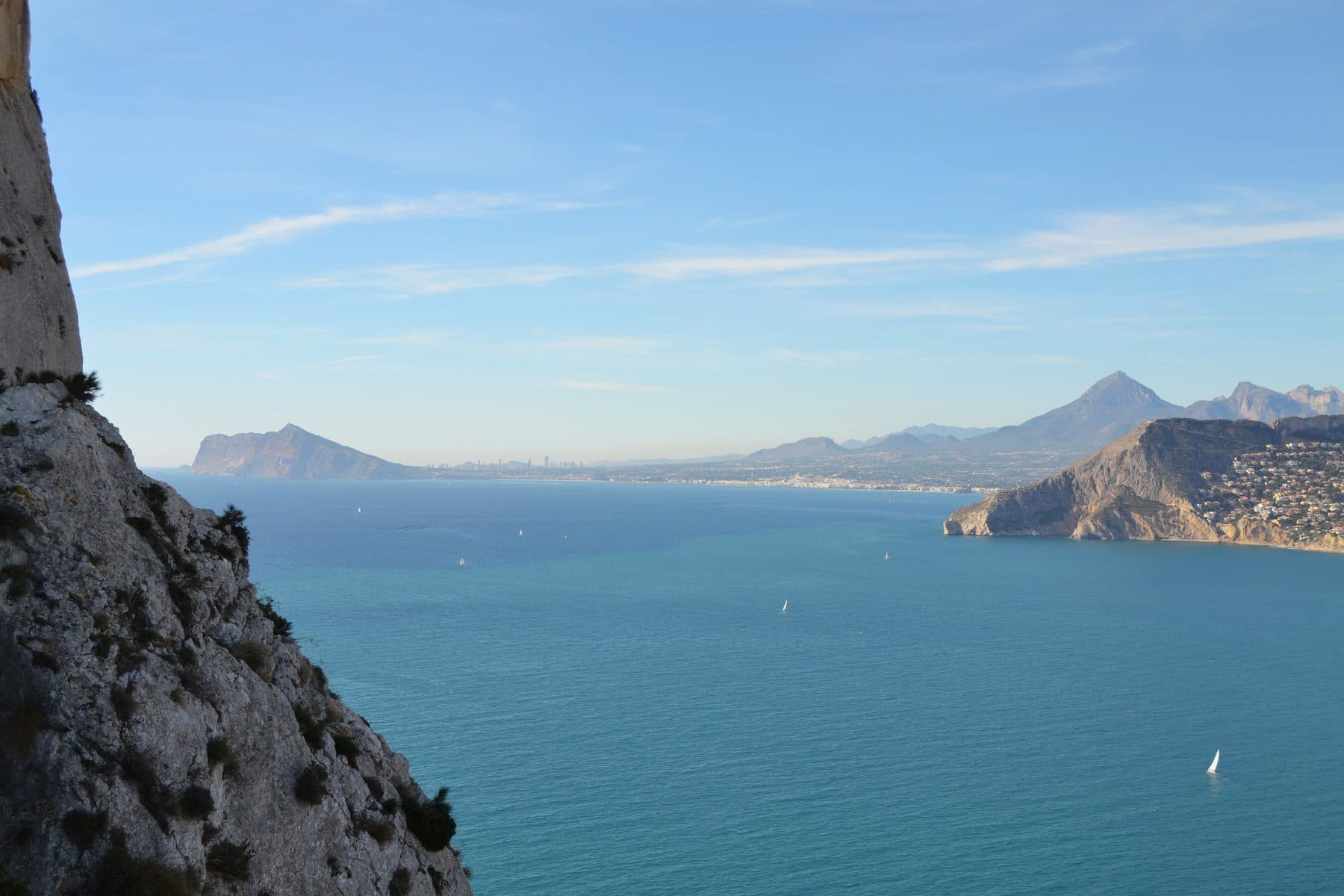
Photo: Joanbanjo · CC BY-SA 3.0
A buy to let on the Costa Blanca and a home to live in call for almost opposite decisions. In Altea, the right location, the type of property, the costs you take on, the ease of resale and even the tax all change with your goal. The best house to live in is rarely the best one to let, so decide which you are buying before you start viewing.
Many buyers in Altea want a bit of both: a home for some weeks a year that is let for the rest of the time. That third route is covered at the end.
Are you buying to live in, or to earn an income?
Define your main goal before you look at areas or prices, because the goal sets the criteria. If the answer is "to live in myself", your criteria are personal: which neighbourhood you like, how far from school or work you will accept, which layout works for you. If the answer is "to earn an income", the criteria become those of a tenant or guest, which do not always match your taste.
Many buyers mix both goals without deciding explicitly, and end up with a home that does neither job well.
What matters when you buy a home in Altea to live in?
When you buy to live in, put neighbourhood life, nearby services you actually use and daily comfort ahead of the view or rental potential. A private garage, a storage room or a school within walking distance count for more here than in a home bought to let.
It also makes sense to spend on renovations to your own taste, even if you do not recover all of it when you sell one day.
What matters for a buy to let on the Costa Blanca?
For a buy to let, put what demand wants ahead of what you would like: sea views and closeness to the beach let best as holiday rentals. Before buying with this goal, confirm that the home can be legally registered for holiday letting: since 2026 Altea's Ordinance 4-8 admits no new tourist dwellings in the old town or on the Fachada Marítima seafront, and a buyer does not inherit the seller's registration. We explain the rules in our guide to holiday rental licences in Altea.
Standard, well located flats and townhouses that are easy to maintain are usually easier to manage and resell than a large one of a kind villa. A unique villa attracts fewer buyers and fewer tenants precisely because it is unique.
Living in or investing: how do the two compare?
| Criterion | Buying to live in | Buying to invest |
|---|---|---|
| Location priority | Neighbourhood, school, daily services | Sea views, closeness to the beach, tourist demand |
| Type of home | Can be large and one of a kind | Standard flat or townhouse, easy to manage |
| Spending you accept | Renovations to your own taste | Spending you recover through rent |
| Resale liquidity | Secondary, not the priority | A priority that shapes the choice |
| Relevant tax | IRPF (Spanish income tax) on a main home | IRPF or IRNR on rental income, and capital gains on a future sale |
Why is the best home to live in rarely the best one to let?
The features that make a home perfect to live in, such as size, an unusual layout and a quiet spot far from the centre, usually work against it as a rental. A large villa with a singular layout in a quiet area may be exactly what you want to live in. For a holiday or long term tenant, that same size and distance tend to be a problem: higher maintenance, fewer people willing to pay for it, and a harder resale if your plans change.
The reverse is also true. A small, practical apartment near the beach can be an excellent rental investment and very easy to resell. As a long term main home it can feel cramped, especially for a family.
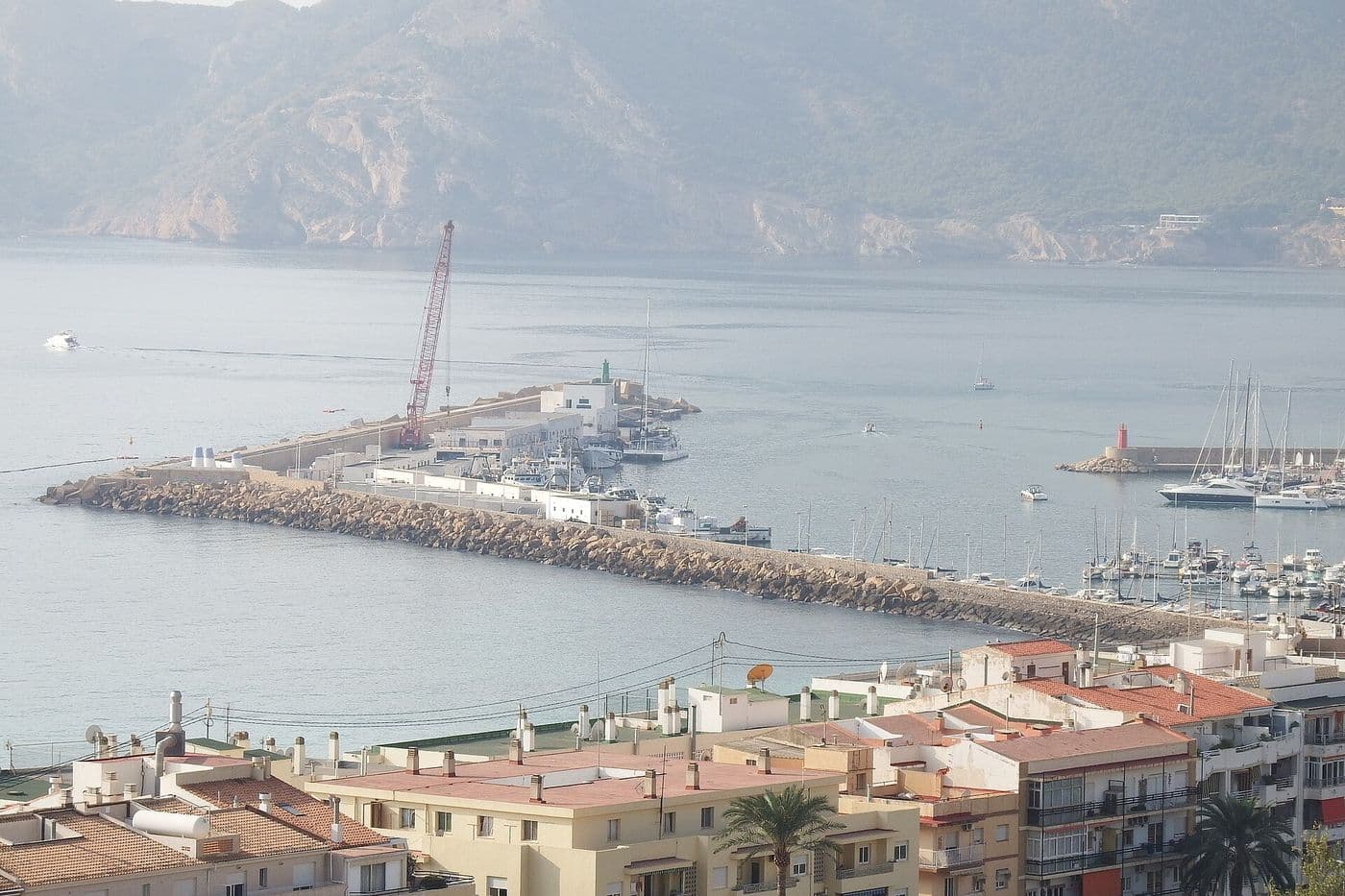
How do the numbers change with your goal?
A home to live in is judged on its total cost of ownership; a buy to let is judged on its net return. Buying to live in and buying to invest do not use the same calculator, and mixing them up is the costlier of the two mistakes.
For a home to live in, the relevant figure is the full cost of owning it: community fees, IBI (the annual property tax), insurance, utilities and maintenance. To estimate it, ask for the IBI, community, insurance and utility bills of that specific home, then add maintenance and a reserve for repairs. That number, more than the purchase price, decides whether the house is comfortable to keep ten years from now.
For an investment, net return rules. Net return is annual income minus costs, divided by the total investment including taxes and notary fees. As of November 2026 those come to 9.4 % to 10.1 % of the price for a resale home up to 1,000,000 EUR in the Valencian Community (11.1 % to 11.3 % above), and 11.8 % to 12.5 % for a new build bought as an investment, based on the tax rates of Ley 13/1997 (BOE) plus an estimate for notary, registry and gestoría that does not include a lawyer or mortgage costs. A cheap flat with high community fees and low occupancy can return less than a dearer, well located one. Figures by property type are in holiday rental returns in Altea, and the tax breakdown is in taxes and costs of buying property in the Valencian Community.
Which tax differences between a home and an investment do buyers overlook?
Tax also separates the two routes: a main home has advantages when you sell, while an investment property lets you deduct expenses against rental income. If you reinvest the proceeds of a main home in another main home, the capital gain can be exempt, and from the age of 65 the exemption is direct. A second home does not have those main home exemptions, although others may apply, such as reinvestment in a life annuity for over 65s, within its requirements and limits. Confirm your tax residence and your specific case.
For a non resident owner, IRNR (the Spanish non residents income tax) allows those expense deductions only to residents of another EU member state, or of an EEA state with effective tax information exchange, under article 24.6 of the non residents income tax law (BOE). Since Brexit, that matters to UK resident landlords. The detail of selling is in taxes on selling a house in Spain.
Decide this before you sign: the use you declare shapes what you can deduct and what you will pay when you sell. This is general guidance, not tax advice: confirm your case with an adviser before signing, especially if you are unsure whether to declare the home as a main residence or an investment.
Can you buy one home for both, own use and letting?
Yes: in Altea it is common to use a home part of the year and let it as a holiday rental for the rest. It means coordinating a calendar of personal use and bookings, accepting more wear on the property from guest turnover, and meeting the legal requirements for tourist rentals before you advertise it.
If this is your plan, check before buying which areas and which types of home are easier to register, and which ones cause less friction with the community of owners.
What should you decide first, before viewing properties?
Settle four answers before your first viewing:
- Your real budget, including purchase costs, which come to 9.4 % to 10.1 % of the price for a resale home up to 1,000,000 EUR (11.1 % to 11.3 % above) and 11.8 % to 12.5 % for a new build bought as a second home or investment, before lawyer and mortgage costs.
- How many weeks a year you would use the home yourself, if the plan includes your own use.
- Whether you want to manage the rental yourself or hand it over completely to an agency.
- How long you plan to keep the property before you consider selling.
To understand the Altea market as a whole before you decide, read our guide to the Altea property market. Browse the homes for sale in Altea that fit your goal, or contact us and we will help you decide for your case.
From our portfolio
A property for sale in Altea right now
See the whole Altea portfolio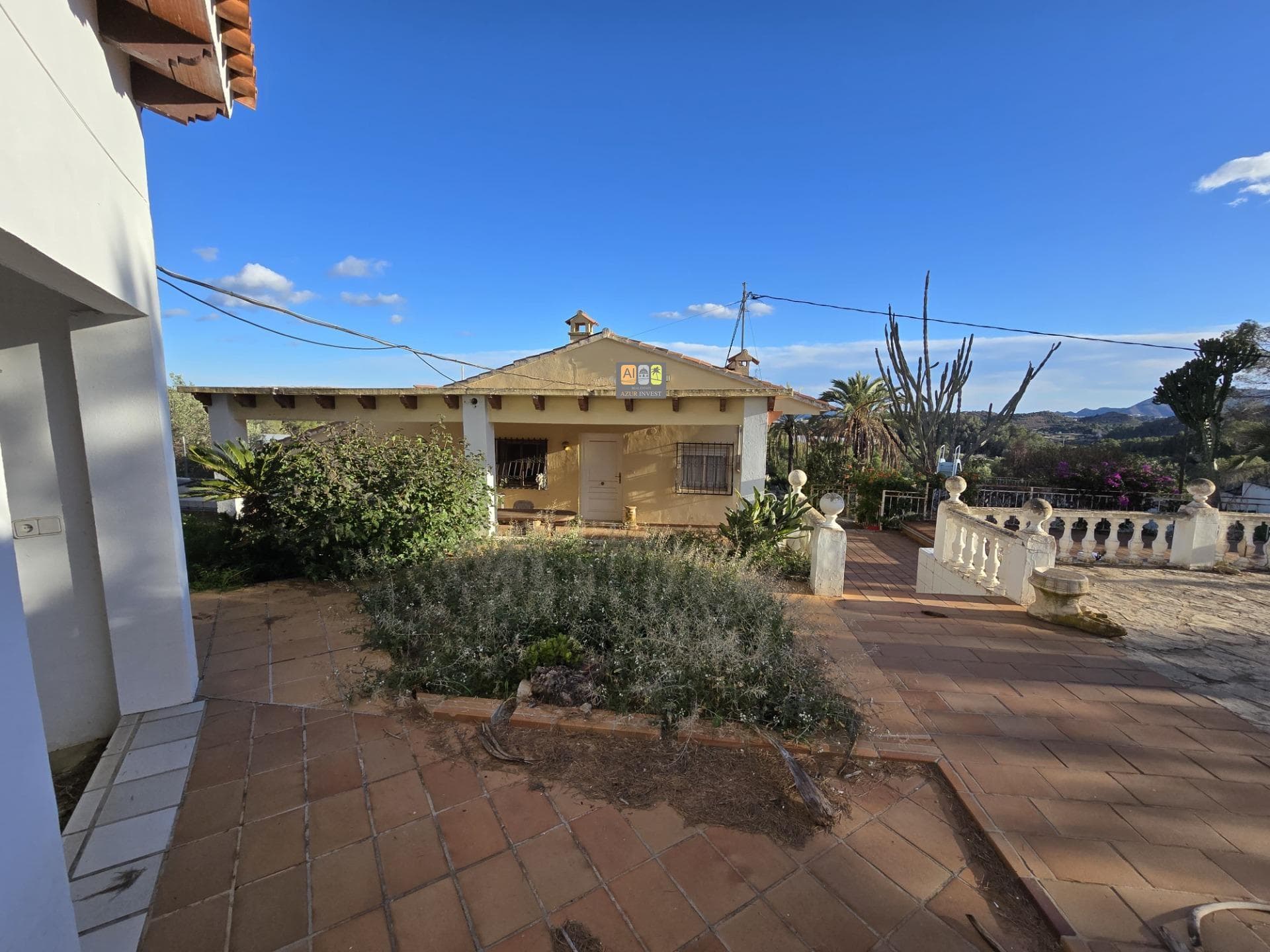
Frequently asked questions
- Is it better to buy in Altea to live in or to invest?
- It depends on your goal, and there is no single answer. If you will live in the home yourself, put location and personal comfort first. If you want a return, put rental demand, maintenance costs and ease of resale first. Decide which goal comes first before you start viewing, because it changes the area and the type of property.
- Why is the best home to live in rarely the best one to let?
- What makes a home special to live in, such as a personal design, generous size or a quiet location, can take it away from what most tenants want. Most tenants prefer something standard, comfortable and well located. A large villa far from the centre also costs more to maintain and attracts fewer buyers when you sell.
- Can you buy a home in Altea both to use and to let?
- Yes, it is common in Altea. It means coordinating a calendar of personal use and bookings, and accepting more wear from guest turnover. Before you advertise it as a holiday let, check the legal requirements for tourist rentals and whether that specific home can be registered for them.
- What should I decide before I start looking at properties?
- Your real budget including purchase costs, how many weeks a year you would use the home yourself, whether you want to manage the rental or hand it over completely, and how long you plan to keep the property before you consider selling.
- How do you calculate the return on a buy to let in Altea?
- Net return is annual income minus costs, divided by the total investment including taxes and notary fees, 9.4 % to 10.1 % of the price for a resale home up to 1,000,000 EUR in the Valencian Community as of November 2026, without a lawyer or mortgage costs. A cheap flat with high community fees and low occupancy can return less than a dearer, well located one.